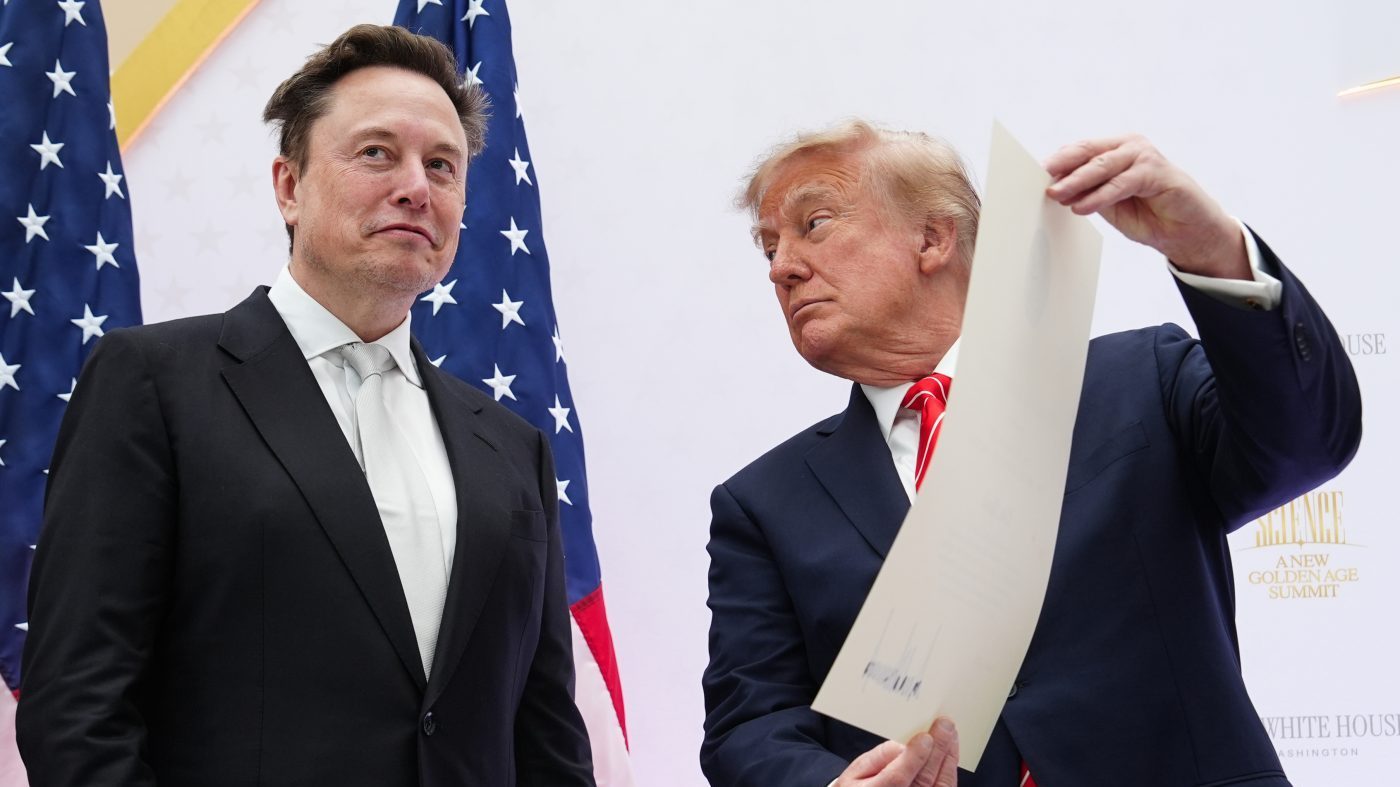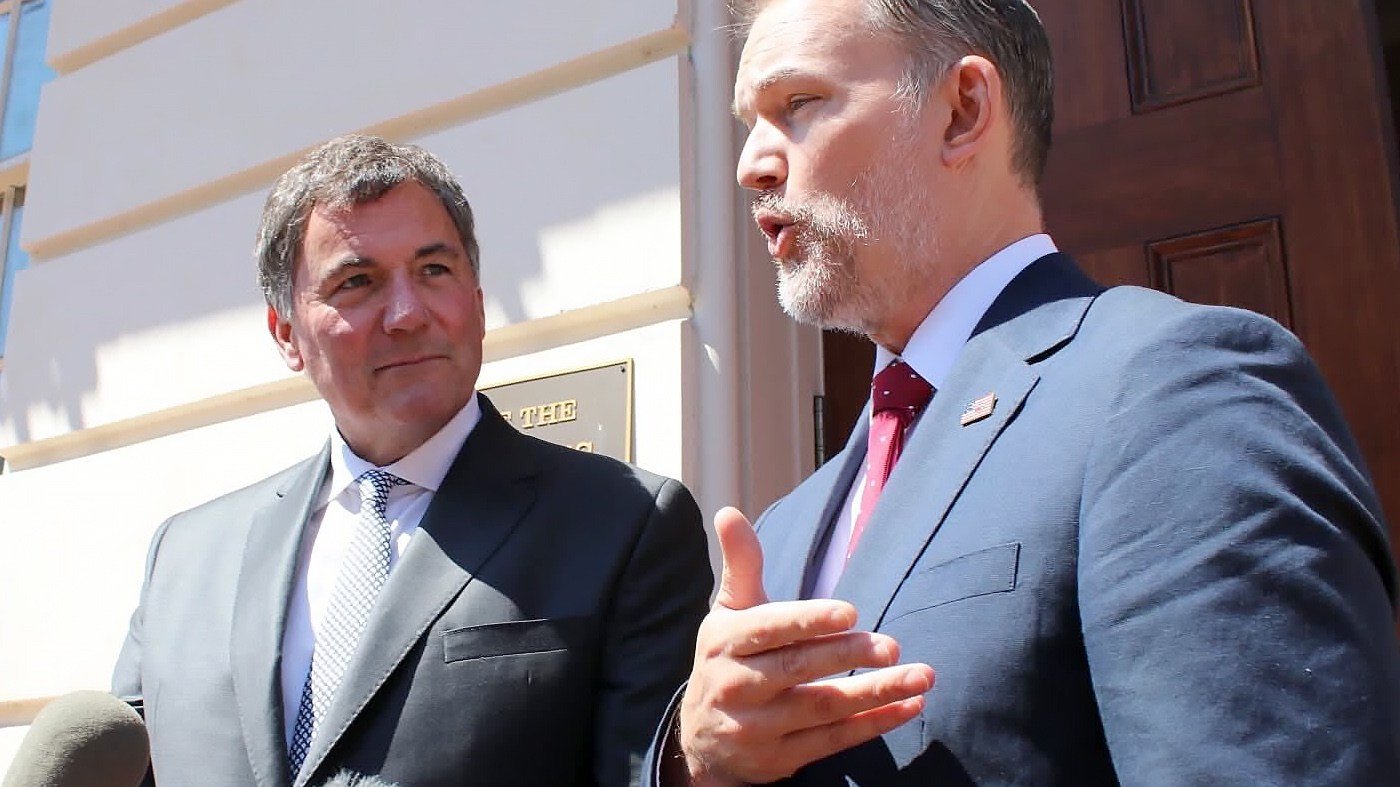
Just as Republicans saw a glimmer of economic relief, President Trump has reignited his trade war obsession, threatening to derail the party's midterm prospects. After a year of inflation driven by the Iran conflict, June and July's Consumer Price Index reports offered a reprieve, with even grocery prices dipping. But last weekend, talks with Canada collapsed, and Trump swiftly imposed 50 percent tariffs on billions of dollars of Canadian goods—a move the Wall Street Journal dubbed "The Dumbest Trade War in History."
The timing is catastrophic for the GOP, which had spent months trying to craft a message centered on affordability. Now, tariffs and trade chaos are back in the headlines, and Republicans are likely to bear the brunt. According to the Wall Street Journal, "Republicans are already getting pounded on the campaign trail over [Trump's] tariffs and inflation." Polling from Politico shows 56 percent of Americans rank cost of living as a top national issue, and even among Trump voters, 33 percent cite rising prices as a major failure of his second term.
Voter sentiment on tariffs has been consistently negative. A March Harris Poll found 72 percent of Americans—including 60 percent of Republicans—believe tariffs have a negative impact. New York Times/Siena polling in battleground states like Alaska, Iowa, Maine, North Carolina, Ohio, and Texas shows 54 percent of likely voters disapprove of the tariffs. Consequently, Reuters/Ipsos polling indicates voters prefer Democrats' approach to affordability by an 8-point margin, and Democrats now lead the generic congressional ballot by over 6 points—the widest gap this cycle.
Trump's overall approval rating hovers just under 40 percent, more than 17 points underwater. On the economy, his approval has sunk to 34.5 percent, with 62 percent disapproving. Even ranchers, a key GOP constituency, are angry over Trump's removal of tariffs on imported beef, which they see as undermining their livelihoods.
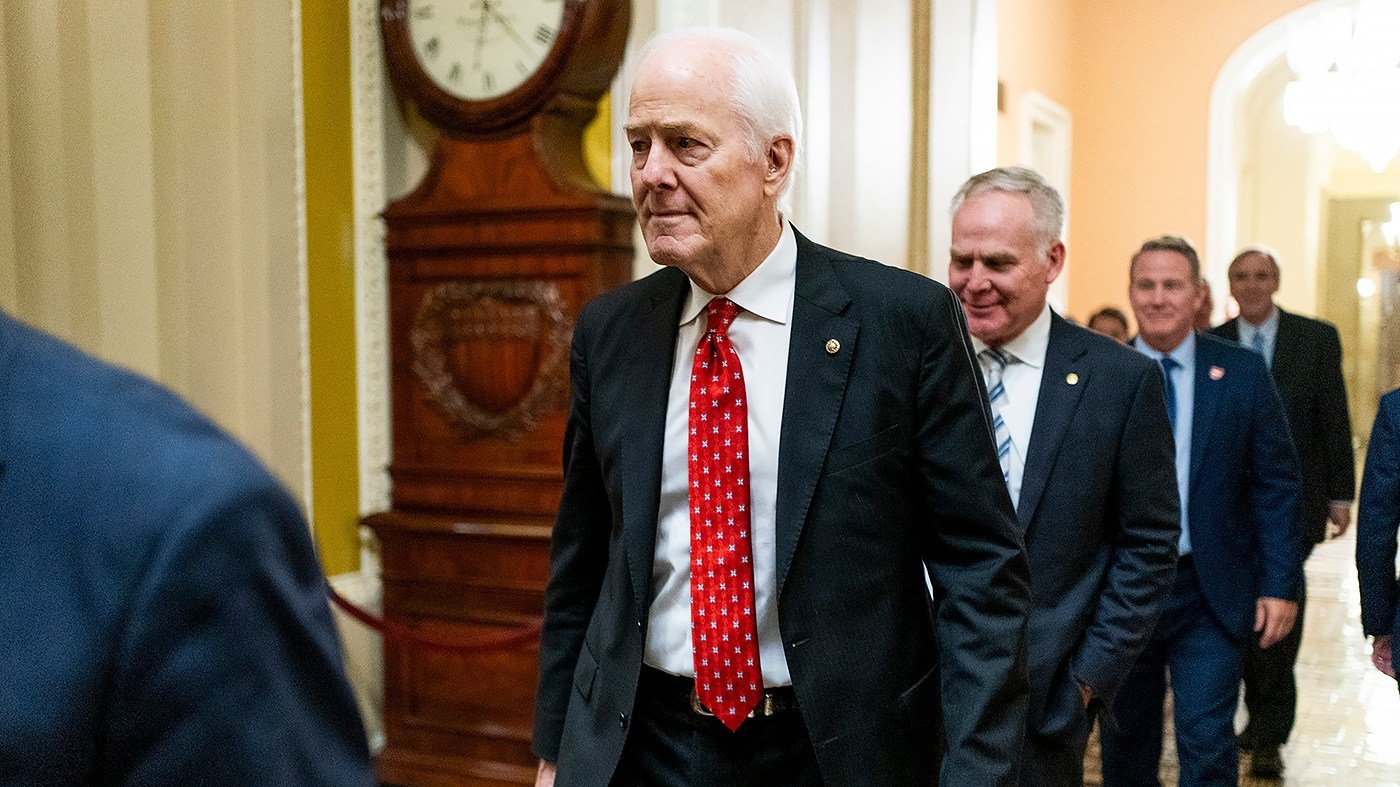
Republican lawmakers are acutely aware of the danger. Senator Thom Tillis (R-N.C.) warned that tariffs create "tension," and "the party that owns that tension…will probably suffer the consequences in November." The states most exposed to Canada's retaliatory tariffs—Maine, Michigan, New Hampshire, Alaska, and Ohio—are all critical to GOP Senate hopes. Senator Susan Collins (R-Maine) called the tariffs a "mistake" and skipped a Vance event in her state. Former Senator John Sununu, running in New Hampshire, said "it makes no sense to start a trade war with our closest neighbor."
Democrats are poised to capitalize. The Democratic Senatorial Campaign Committee spokesperson signaled they will hammer Republicans on "making life more expensive," and the data suggests voters are receptive. While Trump isn't solely responsible for inflation that began during the pandemic, voters are pessimistic and seeking a scapegoat. Trump, who benefited from anti-Biden sentiment in 2024, is now keeping tariffs and prices in the news instead of highlighting GOP efforts to lower costs.
By doubling down on tariffs and dismissing affordability as "a fake word," Trump is also letting Democrats off the hook for their own vulnerabilities, including a far-left insurgency and a party favorability rating 14 points underwater. Trump may not be on the ballot, but his actions are speeding his transition to a lame duck and increasing the likelihood of Democratic investigations into him and his family.
The 2026 midterms were always going to be tough for the party in power. To retain control of Congress, Republicans needed a coherent affordability agenda and policies that actually lowered costs. Instead, they got renewed tariffs—and they will likely pay the price in November.