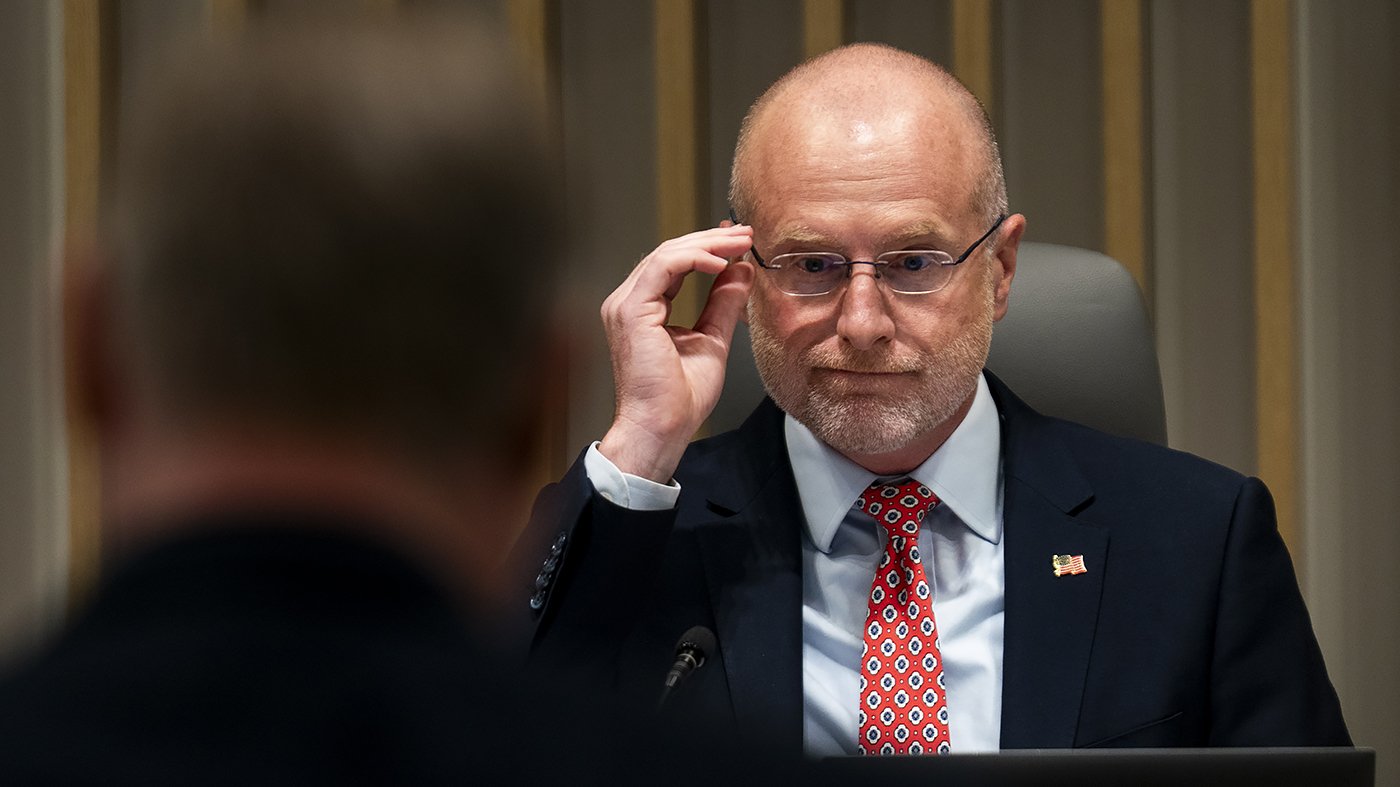
Federal Communications Commission Chair Brendan Carr insisted Thursday that the agency's decision to accelerate a license review of several Disney-owned local broadcast stations was not influenced by President Trump or the White House, despite the timing coinciding with Trump's public demand that ABC fire late-night host Jimmy Kimmel.
"No. This was a decision that we made inside this building based on where we were in the enforcement matter," Carr told reporters during a press briefing. "There was no pressure from the outside, there was not suggestion from the outside, call for agency action from the outside. This is based on our assessment of where we were."
The FCC announced it was triggering an early review process for a handful of Disney-owned stations in major markets including New York, Los Angeles, and Houston. The move came just a day after Trump and first lady Melania Trump called for Kimmel to be fired over a joke he made about the first lady being an "expectant widow"—a quip that landed days before a shooting at the Washington Hilton during the annual White House Correspondents' Association dinner. The Trumps and several top administration officials were present; the suspect, Cole Allen, has been charged with attempting to assassinate the president, among other offenses.
Kimmel defended his remark, clarifying it was about the age difference between Trump and the first lady, not a call to assassination. The administration has also been highly critical of Kimmel following the assassination of conservative activist Charlie Kirk last year. ABC briefly pulled Kimmel off the air after comments he made about the late Turning Point USA co-founder, but he was later reinstated.
The FCC has said it has been investigating Disney for months over its corporate diversity, equity, and inclusion (DEI) policies as part of the review. Disney issued a statement expressing confidence that its record "demonstrates our continued qualifications as licensees under the Communications Act and the First Amendment" and said it is prepared to defend that through appropriate legal channels.
Critics argue Carr and the FCC are attempting to intimidate major media companies like Disney over content critical of the president. Carr pushed back, noting Trump's First Amendment rights. "With respect to President Trump he has every right first amendment right to express a position on this," Carr said. "One of the great things about President Trump is he's very transparent. He told you publicly his position." He added, "He has every right to make the decisions that he's made and make the public calls that he's made. And there's a lot of people out there that agree with that."
The controversy highlights ongoing tensions between the Trump administration and major media outlets, particularly those perceived as critical. The FCC's review of Disney stations is seen by many as part of a broader pattern of political pressure on broadcasters, though Carr maintains the agency is acting independently. For more context on how the administration has engaged with media and political opponents, see our coverage of Trump's efforts to pressure Tennessee's governor on redistricting and the FCC's accelerated review of ABC affiliate licenses.
As the review proceeds, Disney faces a potentially protracted legal battle over its station licenses, with implications for free speech and regulatory oversight. The FCC's next steps will be closely watched by media and political observers alike.