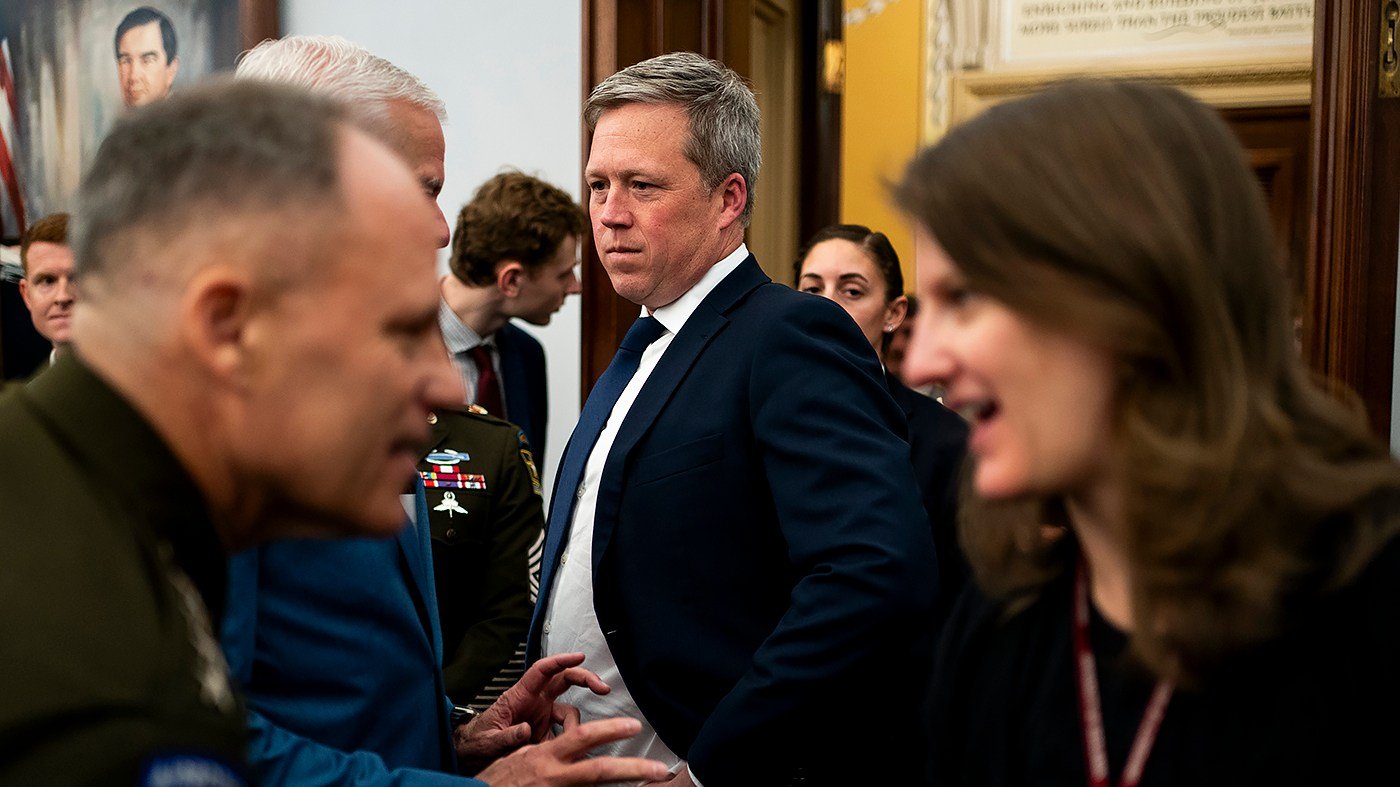
Army Secretary Dan Driscoll broke his silence late Tuesday, announcing that his last full day in the role will be Wednesday, but he offered no reason for stepping down from the position he has held for 18 months.
In a post on X, Driscoll, a third-generation Army veteran, called the opportunity to serve under President Trump and Defense Secretary Pete Hegseth "the honor of a lifetime." He praised the service of soldiers, civilians, and their families, saying they inspired him daily. He also credited Hegseth for supporting efforts to modernize the Army, even though the two have had a tense working relationship since early 2025.
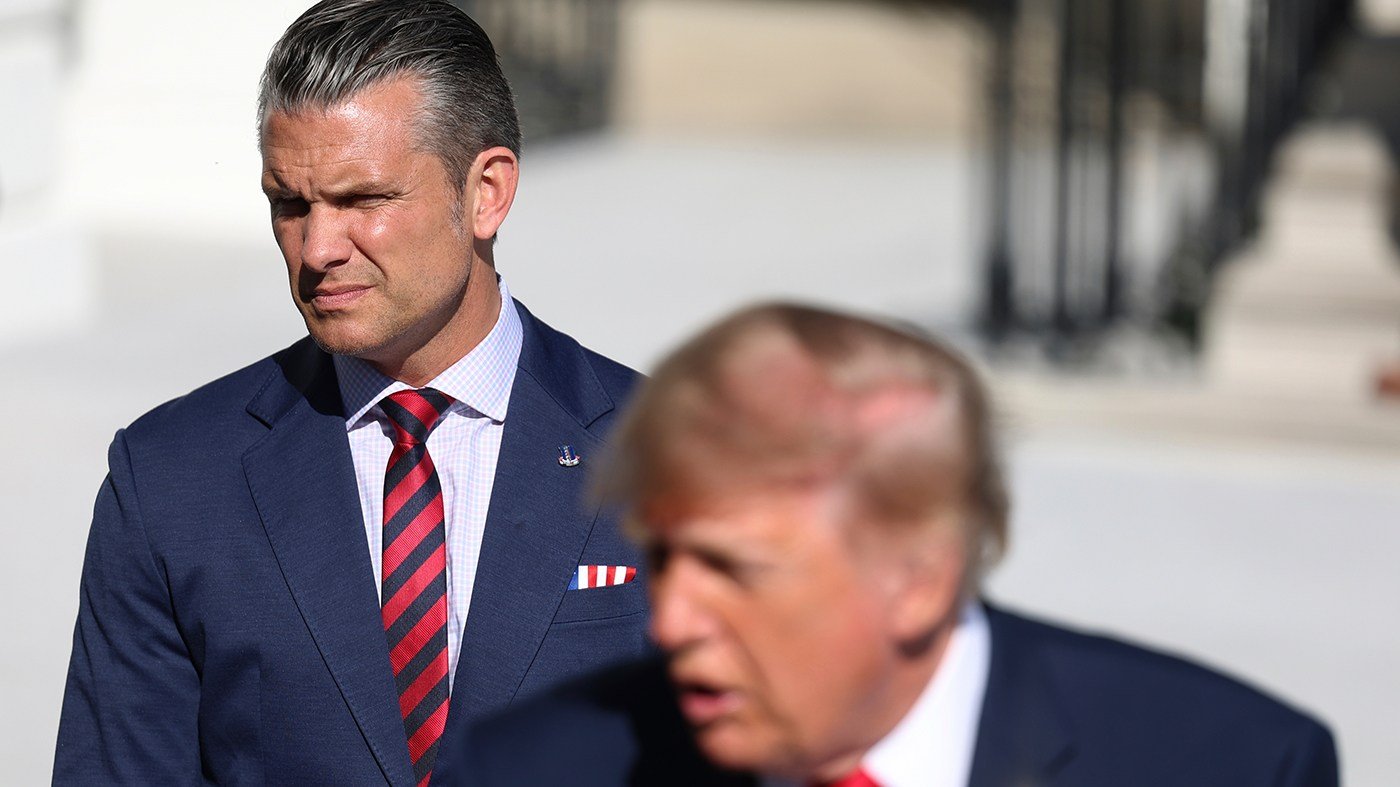
Driscoll's resignation comes after a meeting with President Trump at the White House on Monday, where they discussed the "current state" of the Army. The move underscores Hegseth's growing influence at the Pentagon, as he has pushed out several senior Army leaders who worked closely with Driscoll.
Among the departures: Vice Chief of Staff Gen. James Mingus retired unexpectedly in October, and Hegseth fired Chief of Staff Gen. Randy George. In June, Gen. Chris Donahue, commander of U.S. Army Europe and Africa, also retired. Gen. Christopher LaNeve, formerly Hegseth's military adviser, is now acting chief of staff, but his nomination to take the post permanently faces opposition from senators in both parties.
Driscoll had built relationships with lawmakers across the aisle, and several expressed disappointment at his exit. Sen. Mike Rounds (R-S.D.), a member of the Senate Armed Services Committee, told reporters he had heard rumors that Driscoll was frustrated by the removal of top generals. "That's not the first time I've heard that," Rounds said.
The Pentagon's recent shake-up has drawn criticism from some lawmakers, who accuse Hegseth of sidelining experienced officers. Driscoll's departure adds to that narrative, even as he refrained from public criticism.
Hegseth is reportedly considering candidates for the Army secretary post, including a possible promotion of a current spokesperson, according to recent reports. Meanwhile, the search for a permanent Army chief of staff continues amid the controversy.
Driscoll's exit marks the latest in a series of high-level changes at the Pentagon, reflecting Hegseth's drive to reshape military leadership. His legacy includes efforts to accelerate modernization, but his tenure was often overshadowed by internal friction.