The debate over Sophie Cunningham's future with the Indiana Fever has reignited a familiar question in sports: how far can an athlete go in expressing personal beliefs before they become a liability? Candace Buckner of The Athletic recently argued that the Fever should part ways with Cunningham, labeling her “too combustible” and her opinions “too turbulent” to coexist with star guard Caitlin Clark. But the backlash to that column has been as intense as the original piece, and it has opened a broader conversation about who gets to speak and who gets silenced.
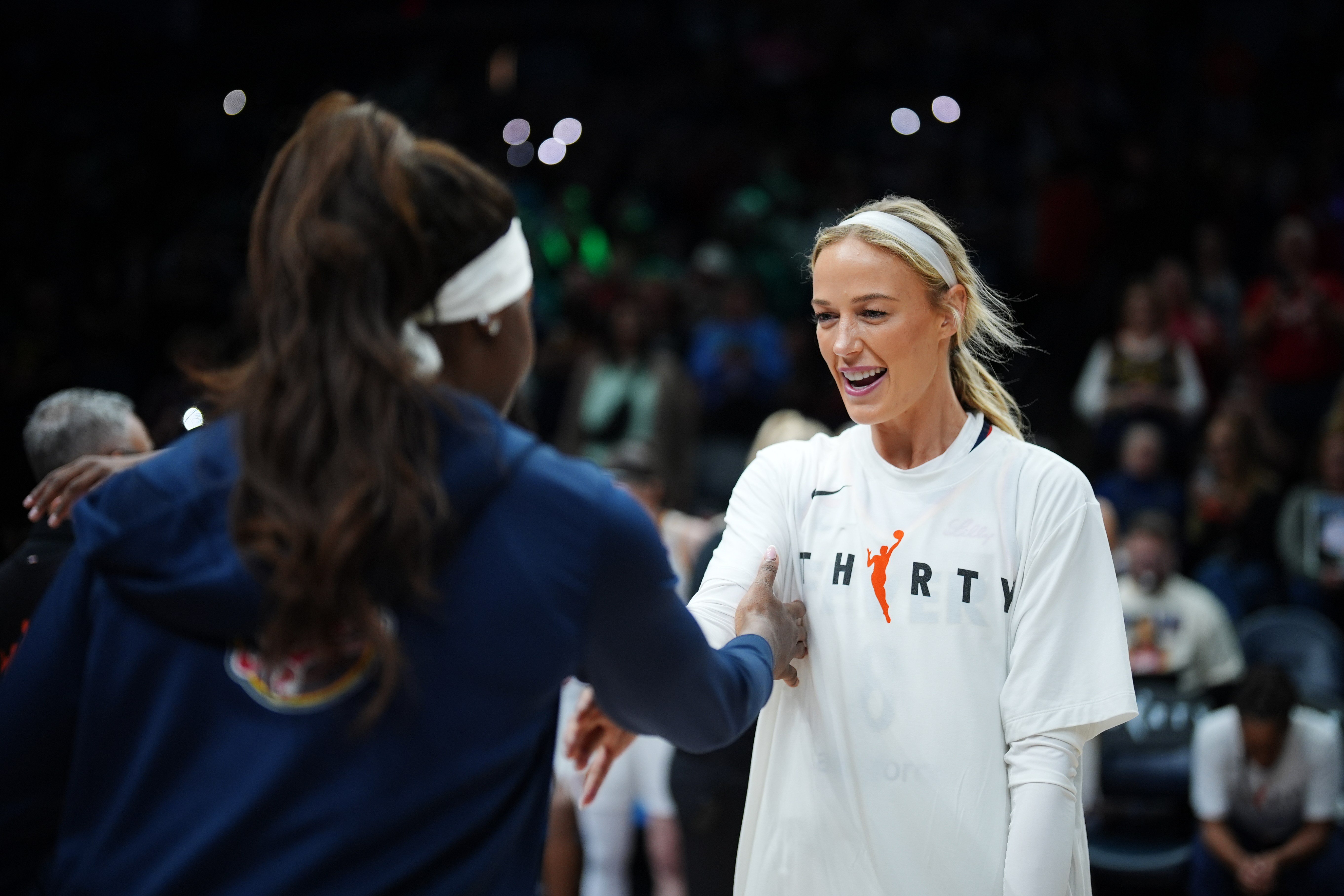
What does “too combustible” actually mean in practice? Cunningham's rise to prominence didn't stem from a political crusade. It began on the court, when she stood up for Clark after a hard foul in a game against Connecticut. That moment of teammate solidarity endeared her to fans, boosting her Instagram following by nearly 300,000 and her TikTok audience from about 300,000 to over 1.2 million. Her jersey sold out. That's the irony Buckner's critique misses: Cunningham's visibility was born from basketball, not ideology.
The controversy escalated after an ESPN profile in which Cunningham discussed assumptions people make about her politics and voiced support for keeping male-born athletes out of women's sports, while insisting she doesn't hate transgender people. That nuanced stance was quickly flattened into a cultural wedge. Protests and counterprotests began appearing outside Fever games, and the Trump White House publicly praised her position. Suddenly, Cunningham was a symbol—either a hero of the anti-trans movement or a villain, depending on who was telling the story.
Buckner's column treats the reaction to Cunningham as if it were Cunningham's own doing. But Cunningham didn't organize the protests, summon politicians, or create the national debate. She answered questions honestly, and others projected their agendas onto her. As recent polling on press freedom suggests, public opinion often shifts depending on who holds power, and athletes are caught in that same partisan crossfire.
If Cunningham were genuinely disrupting the Fever's locker room, there would be evidence—teammates complaining, coaches benching her, Clark asking for a trade. Buckner offers none. Instead, the case against her rests entirely on external noise: the protests, the media coverage, the political rhetoric. That's a weak foundation for a professional judgment, especially in a league that has increasingly embraced player activism.
The double standard here is glaring. For years, sports media has championed athletes who use their platforms to speak out—think Megan Rapinoe on equal pay or Colin Kaepernick on police brutality. Those athletes were celebrated for their courage, even when their views made some uncomfortable. But when an athlete like Cunningham expresses a conservative-leaning view, the same commentators suddenly argue that her “baggage” outweighs her value. That's not a principled stance; it's political convenience.
Buckner herself has argued in the past that “sticking to sports never made sense,” acknowledging that athletes exist within the larger culture. Yet when Cunningham's cultural stance becomes inconvenient, Buckner's solution is to remove the player. That's inconsistent. If athletes are to be judged on their impact, then the measure should be their performance and conduct, not the temperature of the crowd outside the arena.
Perhaps the real issue isn't Cunningham at all. It's our collective inability to separate a person from the symbols we create around them. Cunningham is playing basketball, supporting her teammates, and engaging with fans. The rest of us are fighting over what she represents. As female athletes have recently shown in other contexts, they are often reduced to objects of debate rather than seen as professionals. Cunningham deserves better than to be a pawn in a culture war she never asked to join.
If the Fever genuinely believe Cunningham's presence hurts the team, they should make that case based on basketball reasons. But public reaction alone is not proof of a problem. Until then, the burden should be on critics to explain why a player who was celebrated for defending a teammate should now be punished for answering a question.