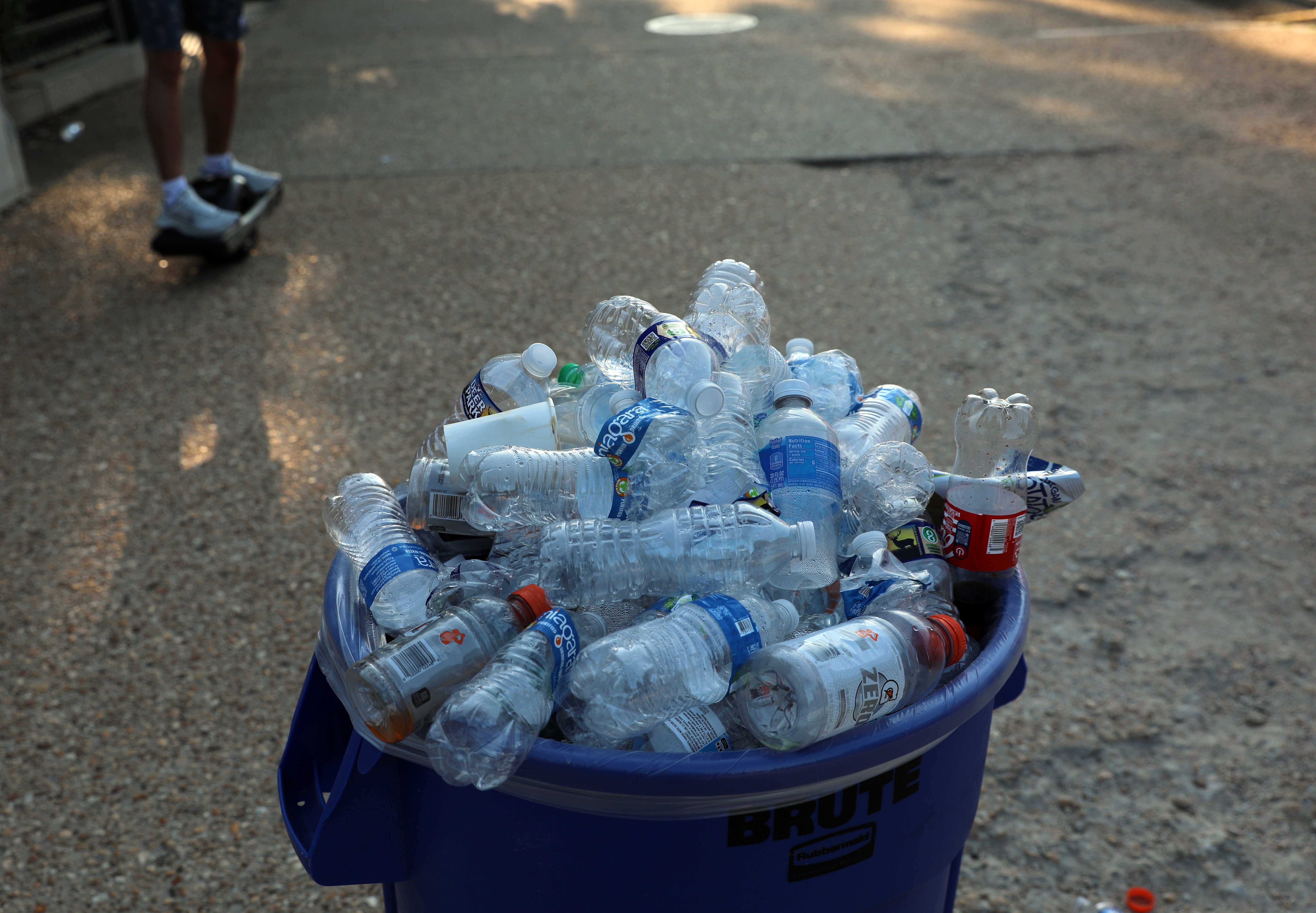
Every day, millions of Americans dutifully rinse a bottle or flatten a box, only to wonder if it will actually be recycled. Too often, it isn't. The nation's recycling system is a jumble of nearly 10,000 different local programs, each with its own rules about what's recyclable and how packaging should be labeled. A container accepted in one city may be rejected a few towns away, and a recycling claim on one product may not hold up under another state's regulations.
This fragmentation confuses consumers, depresses recycling rates, and creates headaches for businesses trying to invest in better packaging and technology. It also makes it harder to scale up innovative recycling methods. Congress now has a rare bipartisan opening to fix this. Two bills before the House Energy and Commerce Committee—the Recycled Materials Attribution Act and the PACK Act—aim to establish national standards for recyclable and recycled content claims, backed by independent third-party certification. That would mean a recyclable label means the same thing whether you're shopping in Florida or Oregon.

The legislation also embraces advanced recycling technologies that can handle materials traditional recycling can't, like multilayer wrappers and plastic tubs that keep food and household products safe. These methods don't replace current systems—they extend what can be recovered. A report from the Progressive Policy Institute found that pairing these emerging technologies with conventional mechanical recycling could more than double U.S. plastic recycling rates and save state and local governments hundreds of millions of dollars annually.
Another key piece would require the Federal Trade Commission to update its Green Guides, which haven't kept pace with modern packaging and labeling. That update would give companies a single clear playbook instead of 50 different sets of rules to navigate.
The economic stakes are significant. Recycling supports 650,000 American jobs and generates $37.8 billion in wages each year. Every improvement to the system has ripple effects across the economy. Confused consumers and outdated technology leave that value on the table.
The Recycling Leadership Council, a coalition of businesses and stakeholders across the recycling value chain, is already working with partners to reduce confusion and improve rates. The group's spokesperson, John Hewitt of the Consumer Brands Association, argues these bills offer something the system has never had: one clear national standard that consumers can trust, businesses can build on, and communities can rely on. The solution is on the table—Congress just needs to act.