An Air Force officer who twice used the Capitol steps to demand President Trump's impeachment now faces rare military criminal charges for those actions. Maj. Jason Watson has been formally accused of violating multiple provisions of the Uniform Code of Military Justice (UCMJ), according to an Air Force spokesperson.
The charges, referred on Monday, include three counts under Article 88 for allegedly making “contemptuous” statements about the president, five counts under Article 92 for disobeying lawful orders, and two counts under Article 133 for conduct unbecoming an officer. The Air Force confirmed the referral to The Hill, while emphasizing that Watson remains presumed innocent and entitled to due process.
Article 88 prosecutions are exceedingly rare because the statute requires proof that an officer's words were not merely critical but explicitly insulting or disdainful toward the president, vice president, or Congress. Legal experts note that convictions are difficult, as the line between protected speech and contemptuous language is often blurred.
Watson has been held in pretrial confinement since his latest arrest last week. The Air Force spokesperson declined to release further evidence, citing the need to protect the judicial process and the rights of the accused.
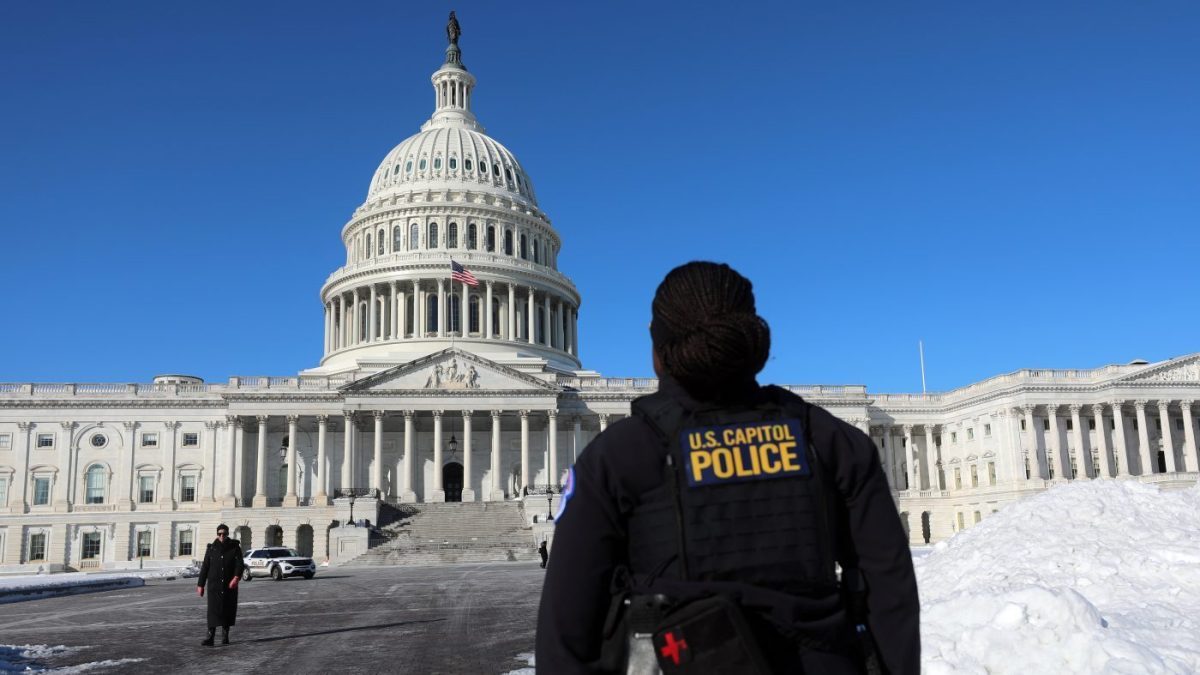
The case stems from two separate protests on the Capitol steps. In June, Watson was temporarily escorted by Rep. Al Green (D-Texas), but was arrested shortly after the lawmaker left. In early July, he returned again, leading to his arrest and detention. Authorities say he had informed his chain of command that he would stop wearing his uniform, but military regulations prohibit active-duty personnel from participating in political demonstrations while in uniform or on Capitol grounds without a sitting member of Congress present.
Off-duty service members may attend political events as spectators, but must remain in civilian attire and avoid any appearance of official military endorsement. Watson's actions, which included public calls for impeachment and interviews with CNN, appear to have crossed that line, according to military officials.
During his July protest, Watson linked his demands to Trump's military decisions, alleging that “unconstitutional usurpation of Congress's authority” led to the deaths of 13 service members. “For this, the president and vice president must be impeached, convicted and removed,” he said.
Rep. Green, who has been a vocal Trump critic, filed new impeachment articles on Monday, the same day Watson's charges were referred. The Texas Democrat gained attention after being removed from a joint session for protesting the president.
This case highlights the tension between free speech and military discipline, especially as political tensions rise. The Air Force's decision to pursue charges signals a firm stance on maintaining order and neutrality within the ranks. As the legal proceedings unfold, the outcome could set a precedent for how the military handles political dissent by its officers.
Watson's next steps will be determined by the military justice system, with a possible court-martial on the horizon. The case continues to draw attention from both military law experts and political observers.