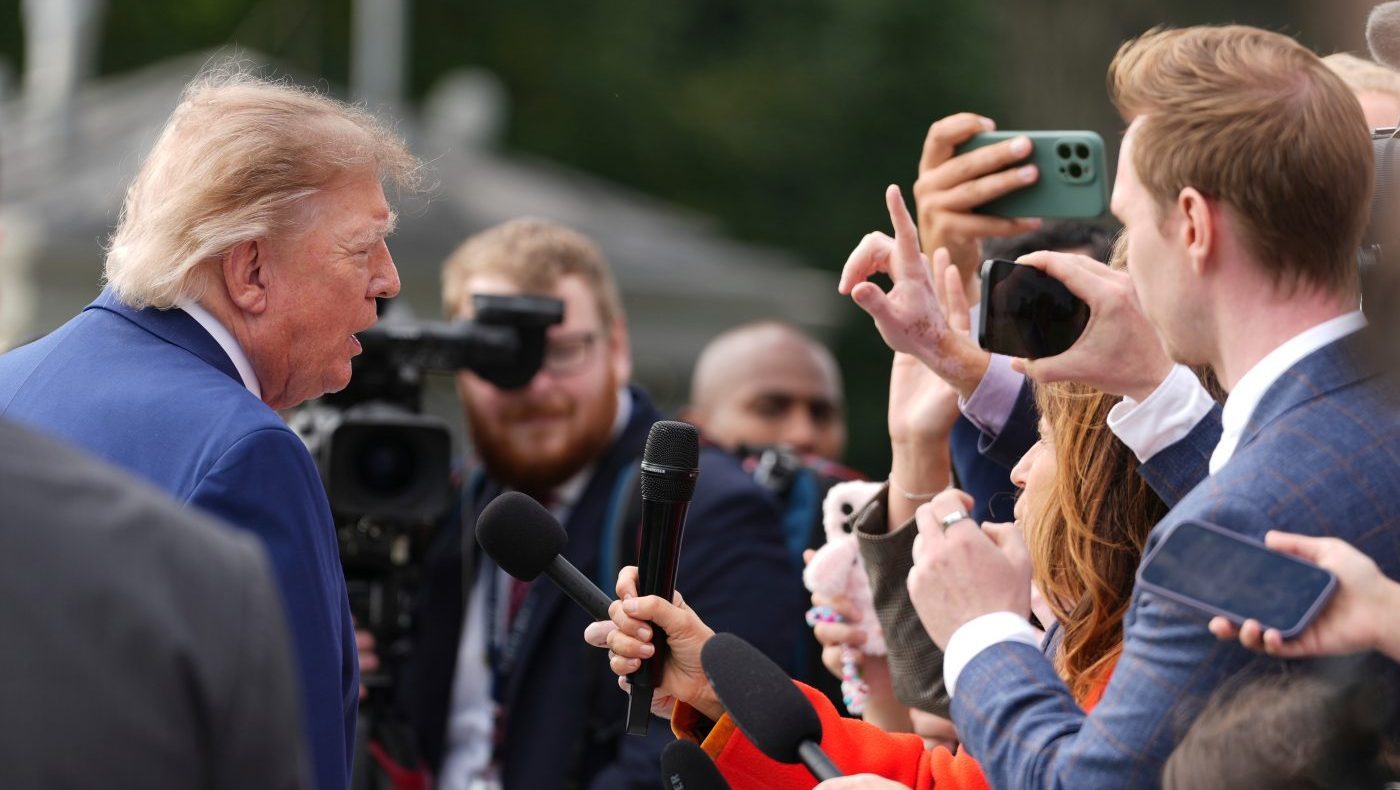
President Trump recently touted the latest Census Bureau report, declaring, “We have the best poverty numbers ever in the history of the country,” and “there is less poverty now than in any time in the history of the country.” His remarks were based on the official poverty rate of 10.2 percent. But that figure paints a misleading picture of economic hardship in America.
The official poverty measure only counts pre-tax cash income, ignoring the impact of taxes, non-cash benefits, and essential expenses. The supplemental poverty measure, developed by the National Academy of Sciences and widely used by economists and government agencies, provides a more accurate assessment. By that measure, 13.1 percent of the population—roughly 44 million people—were poor in 2025.
Even that number understates the problem. The Center for Poverty and Social Policy at Columbia University, in collaboration with the Kairos Center, has analyzed data from the 2026 Current Population Survey. Their estimates show that the poverty threshold is set so low that an individual’s income must fall between roughly $15,500 and $28,000 to be counted as poor, depending on location and housing status. For a family of four, the range is about $33,000 to $61,000. These thresholds fail to capture the real financial strain faced by households amid rising living costs, the 2025 tariffs, the war on Iran, and cuts to social programs. Many families are already bracing for a “heat or eat” winter as heating bills climb.
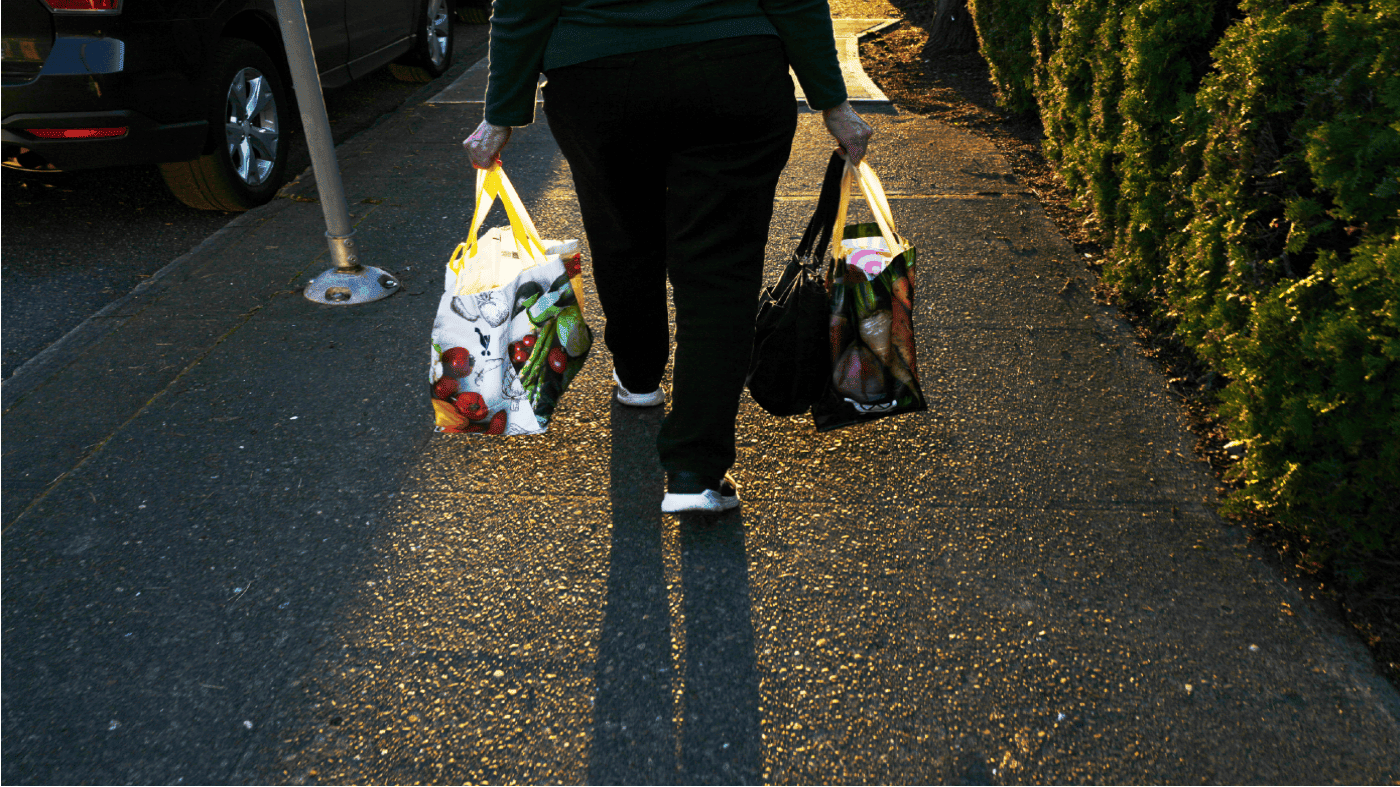
The situation has been worsened by H.R. 1, the “One, Big Beautiful Bill Act,” which enacted the largest cuts to the Supplemental Nutrition Assistance Program (SNAP) in its history. Since then, 5.5 million people—including over 1 million children—have lost their food assistance. These cuts ripple through the entire food supply chain, from farmers to grocers to food banks, which are now facing shortages nationwide.
Healthcare is next in line. In September, 750,000 people lost their Affordable Care Act coverage. And looming over the country is a proposed $1 trillion cut to Medicaid, which currently insures 80 million people and accounts for one-fifth of all hospital spending. Such cuts would strip coverage from millions, trigger job losses, and force hospital closures across the nation.
To gauge the true scope of economic vulnerability, the Kairos Center and Columbia’s Center on Poverty and Social Policy looked at those living at or below 250 percent of the poverty threshold. That includes individuals earning up to about $71,000 and families of four earning up to $153,000. The result: a staggering 53 percent of the population—180 million people—are poor, low-income, or economically fragile, living one or two emergencies away from financial ruin.
This fragility is not evenly distributed. Over 71 percent of Latino/Hispanic Americans (50.3 million) and 69 percent of Black, non-Latino Americans (27.3 million) fall into this category, as do 56.6 percent of multiracial Americans and 48.5 percent of Asian American and Pacific Islander communities. While white, non-Latino Americans have the lowest rate at 43.4 percent, they still make up the largest number—82 million people. The crisis also hits children and the elderly hardest, with over 60 percent of children (44 million) and a majority of seniors (34 million) living in economically fragile households.
This is a national crisis, not confined to any one region. It helps explain why affordability has become the defining issue of the midterm elections. The 180 million people affected include at least 135 million adults and tens of millions of eligible voters. Historically, low-income voters—who make up about one-third of the electorate—turn out at rates 20 percentage points lower than higher-income voters, due to structural barriers, voter suppression, and a belief that their concerns are ignored.
But this year, the needs of these 180 million Americans are a majority issue. They are hungry, uninsured, worried about rising fuel costs, and facing eviction. Their votes could reshape the political landscape, and candidates who ignore them do so at their own peril. As the midterms approach, the question is whether this vast, economically fragile electorate will finally be heard.