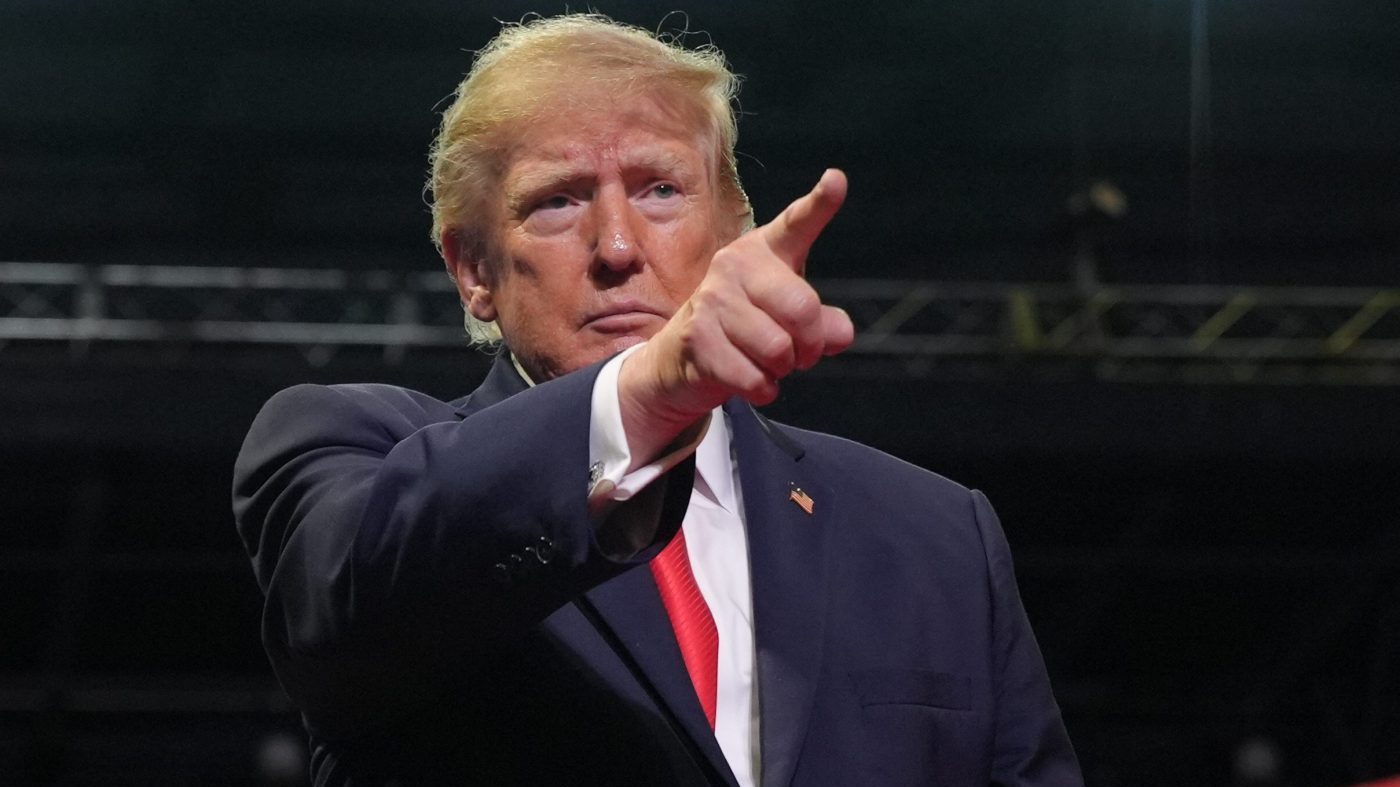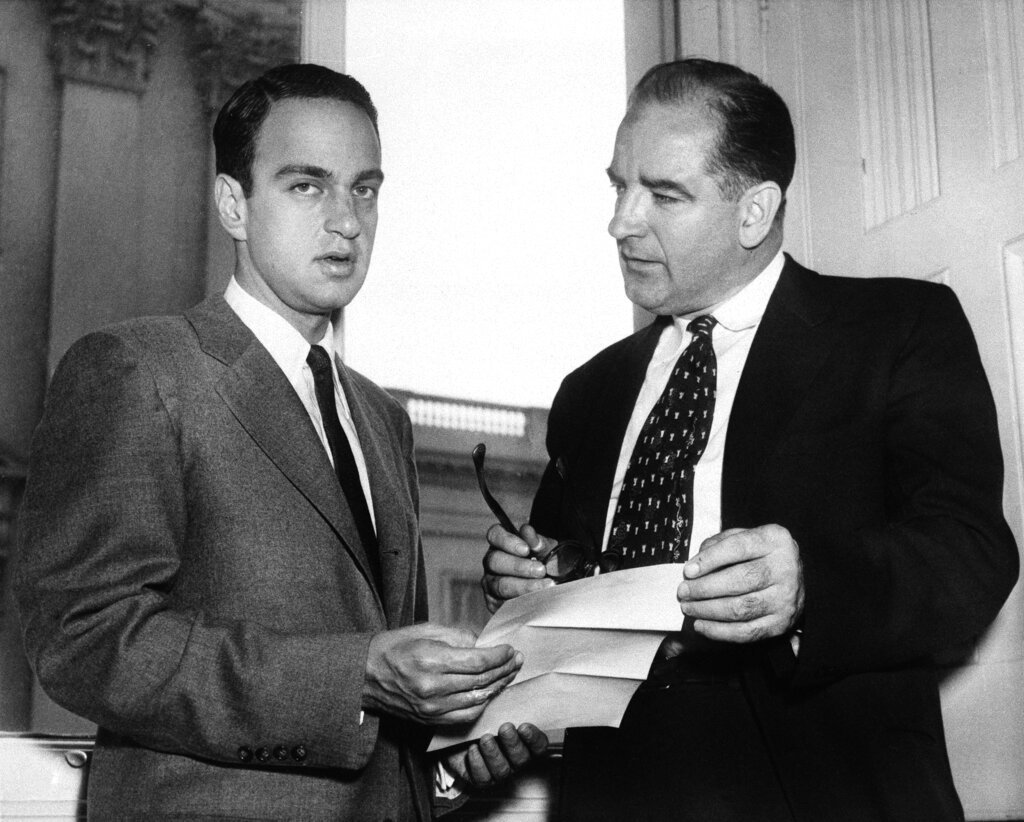
In a new biography, "American Scoundrel: Roy Cohn's Dark Journey from Joe McCarthy to Donald Trump," authors Kai Bird and Susan Goldmark paint a damning portrait of the notorious lawyer, arguing that his influence persists in the highest office in the land. The book's thesis is stark: President Donald Trump is, in essence, Roy Cohn reincarnated.
Cohn, who rose to infamy as Senator Joe McCarthy's relentless enforcer during the Army-McCarthy hearings and later defended mob figures, was a master of ruthless legal warfare. His playbook was simple: never settle, counterattack, and never admit defeat. Bird and Goldmark document how Trump, who first hired Cohn in 1973 to fight housing discrimination charges, absorbed these lessons and continues to apply them today.
Trump's approach to legal and political battles mirrors Cohn's tactics. He has repeatedly used counter-suits against media outlets, delayed court proceedings, and attacked opponents with nicknames, echoing Cohn's methods. The biography details how Cohn advised Trump to "tell them to go to hell and fight the thing in court" when faced with the Justice Department's lawsuit, a strategy Trump embraced.
The book also highlights Trump's disregard for facts, a trait he shares with Cohn, who helped fuel the Red Scare despite the minuscule communist threat in the 1950s. Trump's claims of a rigged 2020 election and his description of January 6 defendants as "patriots" fit the Cohn mold of bending reality to serve his narrative.
Trump has also adopted Cohn's cavalier attitude toward paying bills, with numerous lawsuits from contractors and workers alleging unpaid debts. His use of the Justice Department to target political enemies, including former officials and members of Congress, further extends Cohn's legacy of using power to punish.
Bird and Goldmark's work suggests that Trump's presidency is the ultimate expression of Cohn's principles, raising questions about the long-term impact on American governance. As the book details, Cohn's influence did not end with his disbarment in 1986; it lives on in the White House.
While some may view the comparison as hyperbole, the parallels are undeniable. Trump's ongoing legal battles, his refusal to concede, and his attacks on the press all bear Cohn's fingerprints. The biography serves as a reminder of the ethical lines that have been crossed.
As the political landscape continues to be shaped by these tactics, the book offers a cautionary tale about the consequences of embracing amoral strategies. For those following Trump's career, the echoes of Roy Cohn are unmistakable.