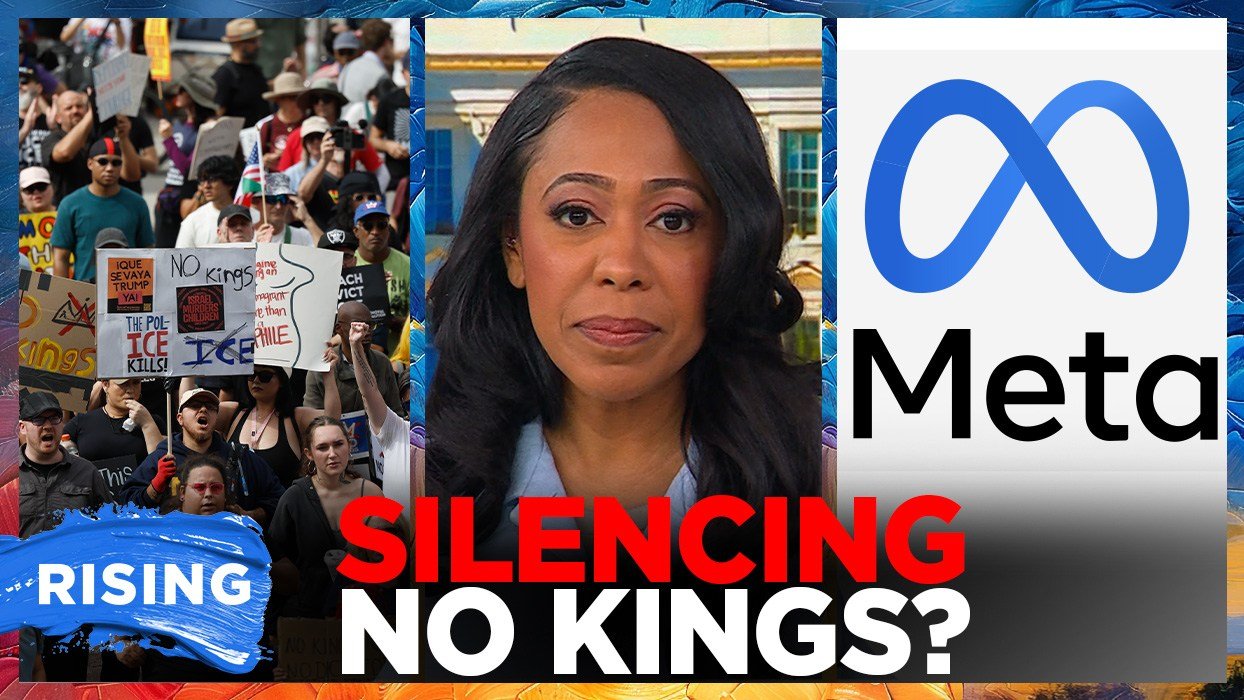
The No Kings coalition, a grassroots movement opposing President Trump's executive overreach, organized nearly 3,000 events over the weekend to prepare voters for the upcoming midterms. The effort, which drew tens of thousands of participants, focused on voter registration checks, understanding voting rights, and making plans to cast ballots. However, the movement's main Instagram account was suspended at a critical moment, disrupting its nationwide push.
According to Newsweek, the account was inaccessible for about 90 minutes, and organizers remained locked out of administrative tools for hours afterward, severely limiting their ability to communicate with supporters. Meta apologized, attributing the suspension to an automated system that mistakenly flagged the account due to high activity. But Ezra Levin, a lead organizer, is skeptical.
“This is strikingly reminiscent of what we saw in Brazil,” Levin said. “Just this week, a court ruled against Meta for favoring the authoritarians in that country and we might be seeing something similar from Meta in our country right now.” His comments underscore a growing concern that Meta's platform decisions may not be politically neutral.
The Brazil reference is telling. In the run-up to the October 25 presidential runoff between left-wing incumbent Luiz Inácio Lula da Silva and right-wing challenger Flávio Bolsonaro, Lula's campaign accused Meta—which owns Instagram, Facebook, and WhatsApp—of unfairly restricting its political content while giving Bolsonaro an advantage. A Brazilian nonprofit, CTRL + Z, documented over 1,000 cases of reduced visibility, account bans, or electoral censorship that disproportionately affected pro-Lula content. Brazil's Superior Electoral Court unanimously ordered Meta to ensure equal treatment of candidates, imposing a hefty fine for violations.
In both instances, Meta has denied intentional political bias, pointing to technical glitches and election-related safeguards. That explanation, however, rings hollow for critics who note the immense power these platforms hold over political discourse. The nationwide early voting push by No Kings was designed to counter what they see as Trump's consolidation of power, and the suspension felt like an obstacle placed by a corporate giant.
The No Kings movement's name may sound dramatic, but its concerns are grounded in recent presidential behavior. A Washington Post–ABC News–Ipsos poll found that 66% of Americans believe Trump is using the presidency for personal enrichment. From ignoring the emoluments clause to dissolving cryptocurrency enforcement teams while accumulating millions through his own crypto ventures, and accepting lavish gifts from foreign governments, the evidence of overreach is mounting.
This incident is not isolated. Meta has faced scrutiny before, including a recent apology for a similar suspension citing bot traffic. The pattern raises questions about whether automated systems are adequately designed to protect political organizing, especially by groups critical of the administration.
“Whether we’re talking about Brazil or the United States, the issue is bigger than one Instagram account or one algorithm,” Levin said. “It’s about transparency, accountability and whether the digital platforms shaping political conversations are applying their rules fairly.” His words echo a broader demand for platform accountability, a topic that has gained traction among lawmakers and activists.
As the midterms approach, the ability of groups like No Kings to mobilize online is crucial. The suspension, even if brief, could have dampened voter enthusiasm. But the coalition has vowed to continue its efforts, urging supporters to check their registration and vote early. The incident has also intensified calls for Meta to provide clearer explanations and more robust safeguards against political interference.
For now, the debate over Meta's role in democracy continues. The company’s actions in Brazil and the U.S. will likely be scrutinized as courts and regulators worldwide examine whether tech giants are truly neutral arbiters of political speech. The stakes are high, and the public is watching.