The news media has a long-standing habit of patting itself on the back for simply doing its job. A prime example is the “self-congratulatory correction,” where a journalist or outlet, after making a mistake, issues a correction that seems designed to highlight their own virtue rather than just fix the record. This behavior, which peaked during the first Trump administration but persists today, underscores an industry-wide tendency toward self-regard that often eclipses accountability.
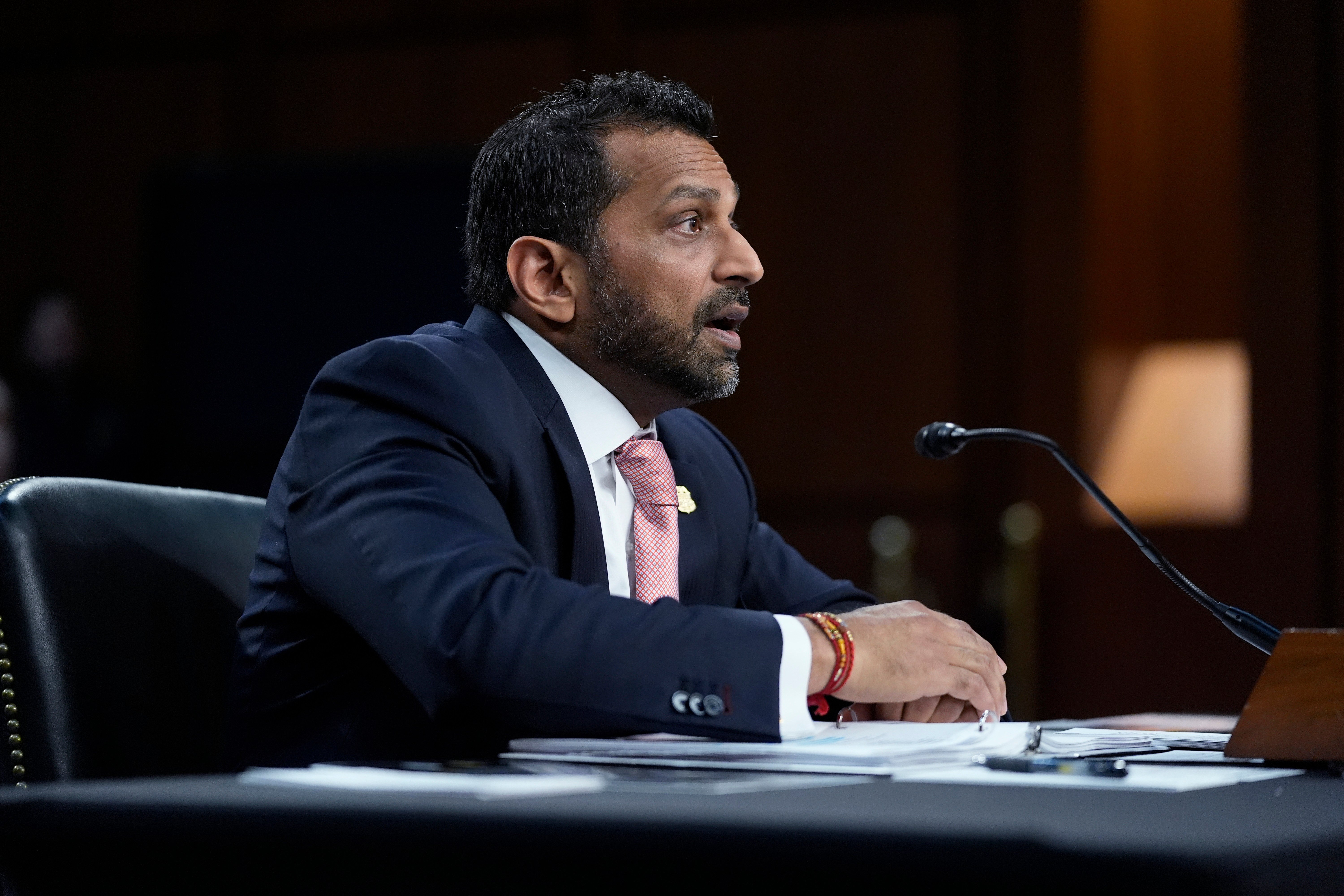
Take the recent case of MS NOW’s Ken Dilanian, who erroneously reported that FBI Director Kash Patel had landed in Russia. In reality, Patel was in Virginia attending a public event. When Dilanian corrected the error on air, he added, “We regret this error, and we are transparent about when we make errors.” While transparency is commendable, critics note that admitting a mistake is a basic expectation, not an achievement worthy of praise.
This pattern is not new. In 2020, then-CNN analyst Chris Cillizza argued that the very act of issuing public corrections demonstrated the media’s commitment to accuracy, contrasting it with President Trump’s record of false statements. Similarly, Glenn Kessler, then of the Washington Post Fact-Checker, penned a 2018 piece titled “The news media does apologize for mistakes, unlike the White House.” These defenses often frame media errors as noble sacrifices in the fight against misinformation, but they can come across as self-aggrandizing.
The New York Times’s 2018 correction of a Trump rally attendance estimate is another case in point. Reporter Julie Hirschfeld Davis initially cited 1,000 attendees, then corrected it to 5,500, tweeting, “When we get it wrong, we say so.” Critics ask: Why should this be celebrated? It is the minimum standard for any credible news organization.
Philip Bump, then of the Washington Post, even argued that the media’s honesty made it vulnerable to attacks from Trump, who never admits fault. This line of thinking, while sympathetic, ignores that many newsrooms during that era pursued baseless conspiracy theories, such as the Russia collusion narrative, which later proved unfounded. Those efforts were rewarded with honors, yet corrections for those failures were rare.
More recently, Jill Abramson, former executive editor of the New York Times, praised Nikole Hannah-Jones for questioning her decision to send her daughter to a poorly performing school. Abramson called “I was wrong” the most powerful words, but quickly pivoted to criticizing Trump’s inability to admit fault. This deflection, critics say, misses the real issue: the harm done to a child in the name of ideological purity.
Abramson also welcomed newsrooms’ increased willingness to admit errors, though some outlets still resist. ABC News, for instance, recently ran a false story about Trump family businesses, highlighting ongoing lapses. The media’s habit of congratulating itself for corrections, rather than simply doing the job, reflects a deeper problem: a profession that too often confuses self-flagellation with accountability.
In the end, the “self-congratulatory correction” is a symptom of an industry that prizes its own image over genuine service to the public. Until journalists treat accuracy as a given, not a virtue, the practice will continue to erode trust.