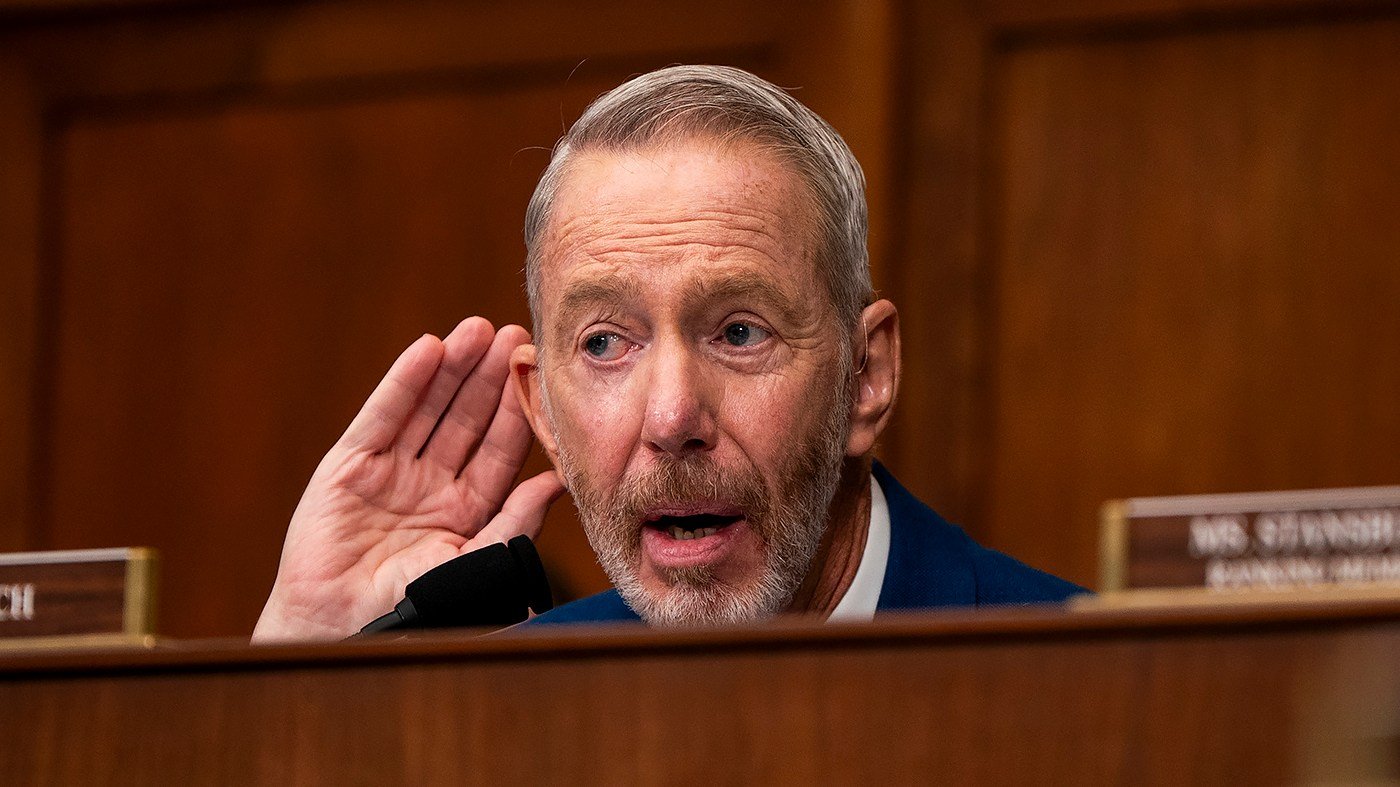
Massachusetts Democrats head to the polls Tuesday in a series of primaries that underscore the party's internal generational fissures, with three veteran incumbents facing younger challengers who argue it's time for new leadership.
The most closely watched contest is in the 8th Congressional District, where Rep. Stephen Lynch, 71, seeks a 14th term against Patrick Roath, a 39-year-old attorney and former aide to ex-Governor Deval Patrick. Roath has hammered Lynch over his votes on immigration, healthcare, and abortion, while Lynch leans on his long record of legislative wins and deep district roots. The race has drawn outside spending, a sign of its competitiveness, according to Decision Desk HQ's chief elections analyst Geoffrey Skelley.
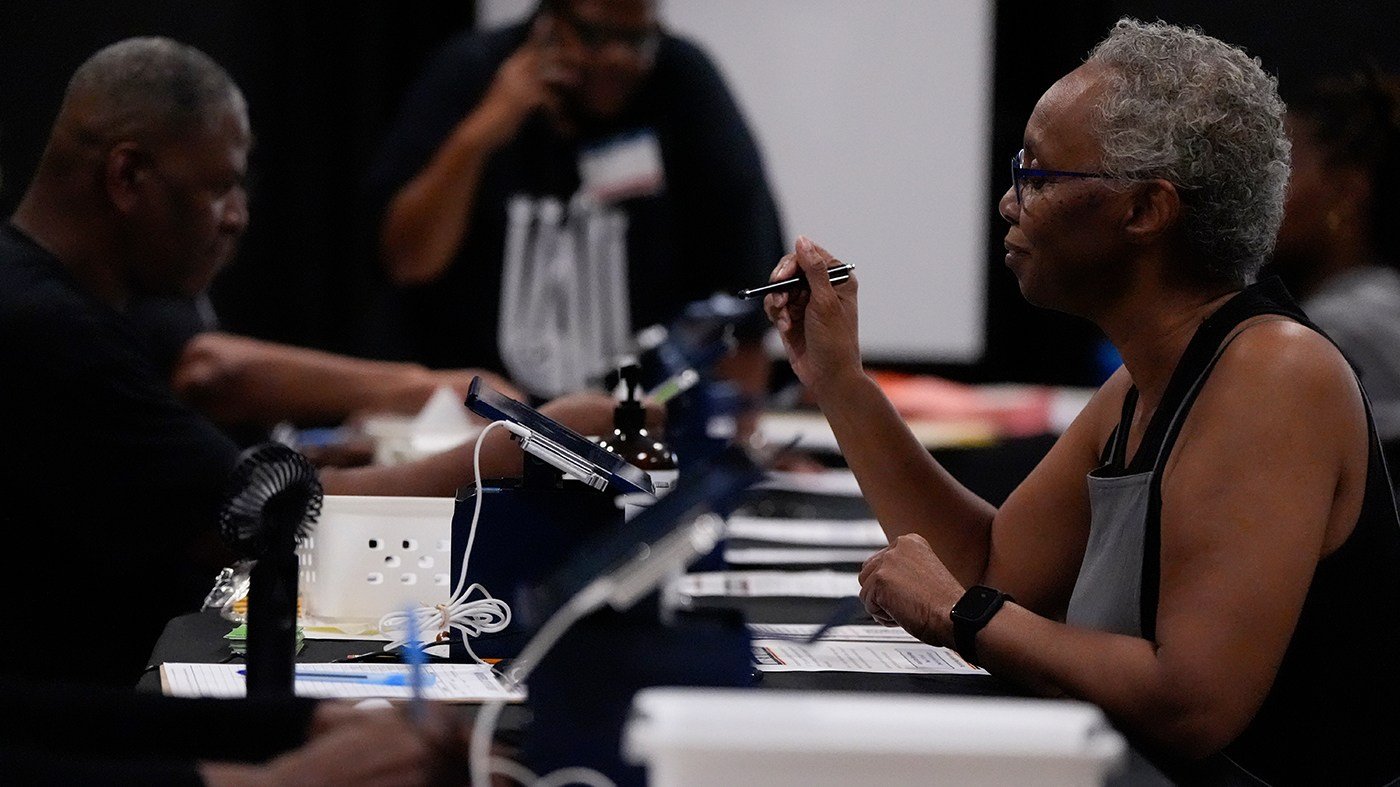
Roath's campaign has focused on generational change, pointing to Lynch's 2010 vote against the Affordable Care Act and his support for the Laken Riley Act, a border security measure that has become a flashpoint in Democratic primaries. “Our team has knocked tens of thousands of doors, and we're feeling the energy with two days left,” Roath told The Hill. “Even people who have supported Stephen Lynch for two decades are ready for change.” He has endorsements from Patrick and David Hogg's Leaders We Deserve group.
In the 1st District, Rep. Richard Neal, 77, the top Democrat on the House Ways and Means Committee, faces Jeromie Whalen, a 39-year-old high school teacher who has made corporate money in politics his central issue. Whalen has attacked Neal for accepting donations from utility giant Eversource and Blackstone, the world's largest landlord, arguing those ties undermine his advocacy on utility bills and housing costs. Neal, who has represented western Massachusetts since 1989, touts his seniority and ability to deliver federal dollars, noting “billions of dollars have come back” to the region. He has a significant fundraising edge, having raised $2.2 million compared to Whalen's $330,000.
The marquee Senate race pits Rep. Seth Moulton, 47, against Sen. Ed Markey, 78, in a challenge from the center-right. Moulton, a 10-term House member, has tried to position himself as a pragmatic alternative, but he faces an uphill battle against Markey, who has locked up support from progressive heavyweights like Sens. Bernie Sanders and Elizabeth Warren, as well as Rep. Alexandria Ocasio-Cortez. Markey also authored the Green New Deal, a key progressive credential.
Moulton's campaign has been complicated by his controversial comments after the 2024 election about transgender athletes, for which he later apologized. Skelley noted that Moulton's positioning may be “the wrong candidate at the right time,” suggesting that a younger challenger with stronger progressive bona fides might have posed a more serious threat to Markey.
The outcomes of these races could signal how much appetite there is within the Democratic Party for a new generation of leadership, as the party weighs its future ahead of the 2026 midterms. While incumbents like Lynch and Neal are favored, the energy behind their challengers reflects a broader antiestablishment mood that has already toppled several House Democrats this cycle.
As voters decide, the results may also influence national conversations about age and experience versus fresh perspectives, a theme that has resonated in other primaries across the country. For now, Massachusetts Democrats are watching closely to see if the push for generational change translates into actual defeats of long-serving incumbents.