The traditional pageantry of a new Congress—families packing the galleries, handshakes, and the swearing-in of freshmen—will feel markedly different on Jan. 3. Behind the scenes, lawmakers are bracing for potential chaos, as fears of election-related disruptions loom large.
The trauma of the Jan. 6, 2021, Capitol attack remains fresh for many members and staff who were forced into a secure basement room for hours as rioters overwhelmed police. While security precautions have presumably been tightened, the more immediate worry is not physical violence but procedural warfare: President Trump's concerted efforts to undermine the midterm results could spark challenges that paralyze the House on opening day.
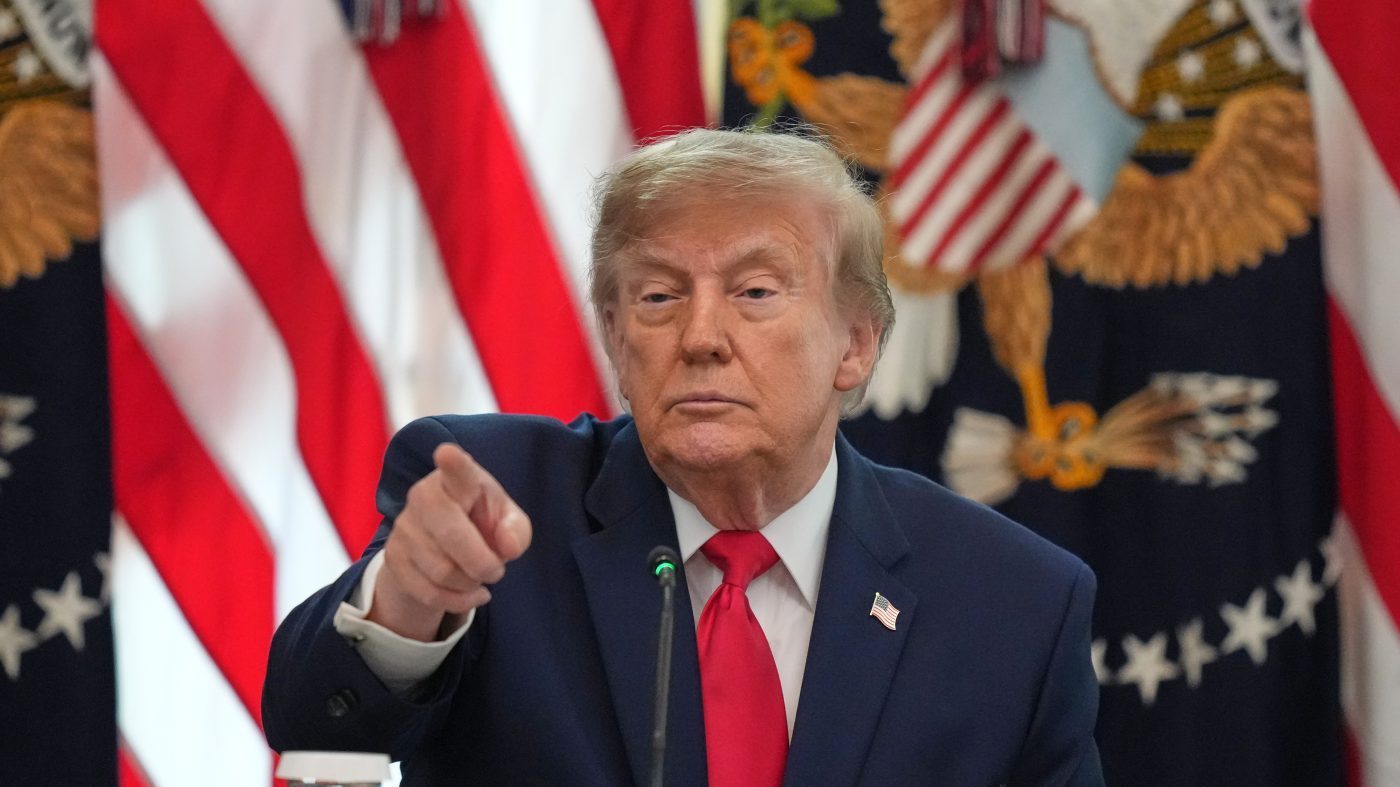
Trump's attempts to manipulate the elections have been extensive. The Justice Department recently warned California election officials about potential federal liability if they count ballots from voters flagged as "potential noncitizens." Earlier, the administration pushed states to redraw district maps, restrict mail-in voting, deploy federal agents to polling places, and even seize voting machines. Most of these heavy-handed tactics were blocked by courts or state officials, but they signal a willingness to go to extremes if Democrats gain control of either chamber.
The House's certification process appears straightforward: the Clerk conducts an electronic quorum call, the Speaker is elected, and members-elect are sworn in. Challenges to a member's election can be raised by opponents or fellow members, as happened in 2021 when Rep. Chip Roy (R-Texas) tried to block the swearing-in of all members from six contested states. Then-Majority Leader Steny Hoyer (D-Md.) countered with a privileged resolution that passed 371-2, allowing everyone to be seated.
History offers a cautionary tale. In 1985, the infamous McIntyre-McCloskey race in Indiana's 8th District—decided by just 34 votes—triggered an objection from Rep. Jim Wright (D-Texas) that prevented Rep.-elect Rick McIntyre (R-Ind.) from being sworn in. The ensuing four-month investigation flipped the seat to Democrat Frank McCloskey by four votes, fueling Republican outrage that helped propel Newt Gingrich to the speakership a decade later.
This year, Reps. Josh Gottheimer (D-N.J.) and Don Bacon (R-Neb.) are circulating a bipartisan letter urging colleagues to pledge to accept the legitimacy of certified election results and oppose any efforts to delay seating. While admirable, the pledge is unlikely to attract many signatures. Lawmakers are reluctant to commit to hypotheticals before all facts are known.
Election disputes are legally permissible, but when used en masse as partisan weapons, they can grind the House to a halt. As Republican investigators eye Trump aides and corruption fears dominate voter worries, the stage is set for a volatile opening day. The question is whether the institution can withstand the strain.