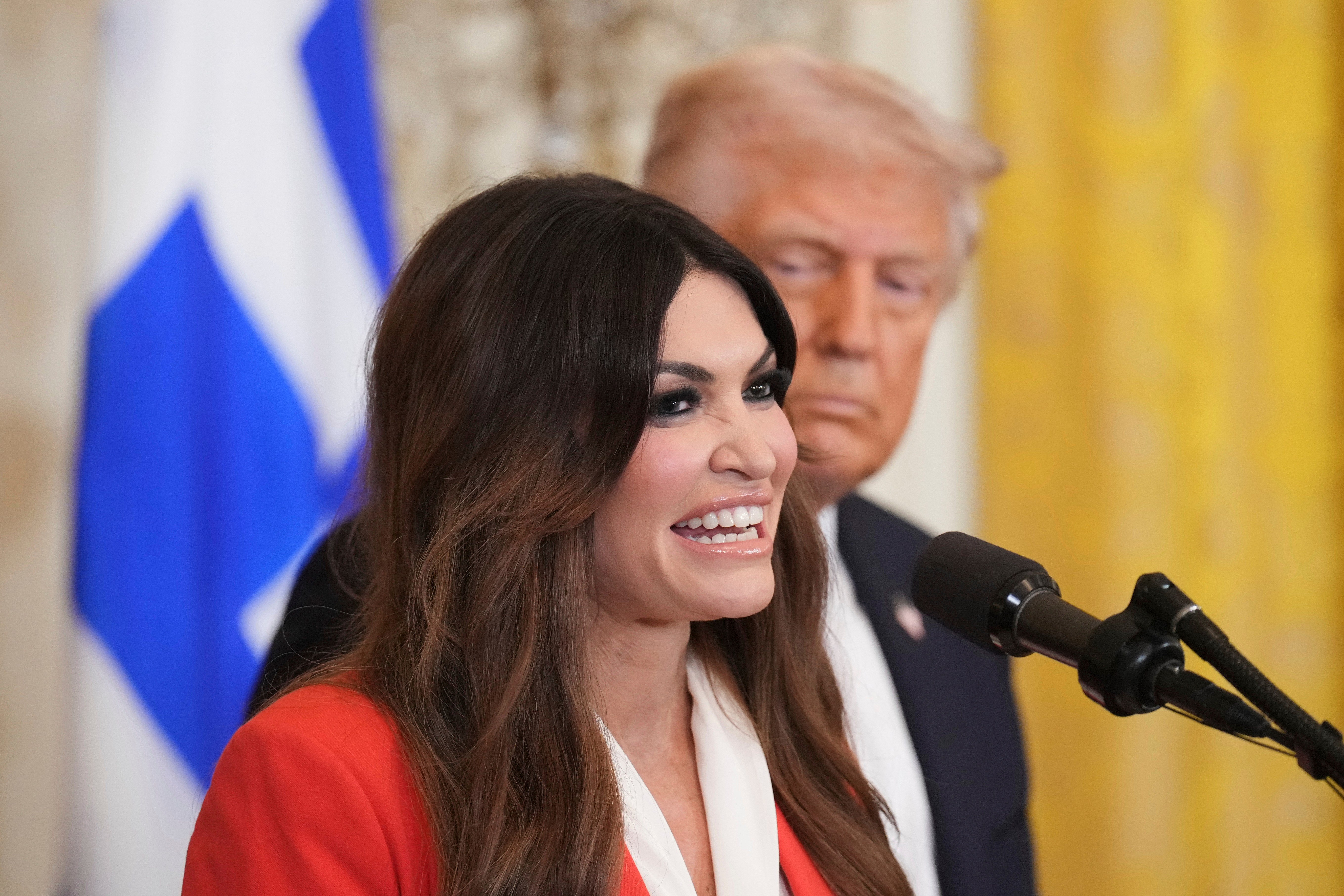
Kimberly Guilfoyle's resignation as U.S. ambassador to Greece has sparked a familiar Washington debate: does leaving office let an official off the hook? The answer, legal experts say, depends on which investigative body is involved. Inspectors general, congressional committees, and the executive branch each operate under distinct legal authorities, and a resignation affects them differently.
President Trump requested Guilfoyle's resignation following reports of alleged financial misconduct and other improprieties, which she has strongly denied. The State Department's Office of Inspector General has reportedly been reviewing complaints about her conduct, though the exact scope and status of that probe remain unconfirmed. On Capitol Hill, Rep. Robert Garcia (D-Calif.), ranking member of the House Oversight and Government Reform Committee, has signaled his inquiry will continue regardless of her departure.

The resignation has triggered a rush to interpret it as either an admission of guilt or an escape from accountability. But experts caution that neither conclusion is automatic. The president's decision, an inspector general review, and congressional oversight serve different purposes and can yield different outcomes.
Presidential Authority
Ambassadors serve at the pleasure of the president, who has broad latitude to decide who represents the U.S. abroad. Trump did not need a formal finding of misconduct to conclude that Guilfoyle should leave her post. The decision could reflect concerns about diplomatic effectiveness, public confidence, or broader administration interests, without resolving the underlying allegations.
Removing an official may settle an immediate personnel issue, but it does not necessarily answer the questions that prompted scrutiny. That is where inspectors general come in.
Inspector General Investigations
Unlike the president, an inspector general examines the conduct and operations of the agency itself. Under the Inspector General Act, that includes investigating potential misconduct, identifying institutional failures, and recommending corrective action. A resignation does not automatically terminate that authority. Inspectors general retain access to agency records and can subpoena certain documents. Even after an official departs, questions about whether safeguards were followed and whether reforms are needed can remain.
However, the existence of an investigation is not proof of wrongdoing. Inspector general inquiries are fact-finding missions, not verdicts, and conclusions must rest on evidence, not allegations or political pressure. That caution is especially warranted when the allegations are disputed.
Congressional Oversight
Congress has broad authority to investigate matters relevant to its legislative duties, including executive branch operations and ethics. That authority can extend to former officials, particularly when their conduct bears on the adequacy of existing laws. Yet Congress's ability to seek information is not unlimited.
Garcia's October 14 letter reiterates requests for records and communications despite Guilfoyle's resignation. While it shows the committee's Democratic minority remains interested, it is not a subpoena. Under House Oversight Committee rules, only the chair can issue subpoenas, and that authority is subject to House rules.
This distinction matters. A voluntary request and a subpoena carry different legal weight. Subpoenas compel cooperation and may lead to enforcement, while voluntary requests depend on the recipient's willingness to comply.
With the November midterms approaching, that difference could become crucial. If Democrats take control of the House, they could assume leadership of the Oversight Committee in January, potentially turning today's voluntary requests into subpoena-backed investigations. But any such action would still need to follow the rules of the new Congress, and existing requests would not automatically become compulsory.
When multiple inquiries target the same conduct, institutional boundaries become even more significant. An inspector general may assess whether agency policies were followed; Congress may consider legislative fixes; prosecutors, if warranted, may examine criminal violations. None of these processes dictates the outcome of another.
The risk is that political narratives blur these lines. In Washington, a congressional letter can quickly be labeled an "investigation," and a resignation can be spun as either vindication or evasion. But the legal reality is more nuanced, and observers should watch how each body exercises its distinct authority.
For now, Guilfoyle's resignation has changed the political landscape but not the underlying legal questions. The inspector general's review, congressional requests, and any future actions will unfold under their own rules, unaffected by her departure.