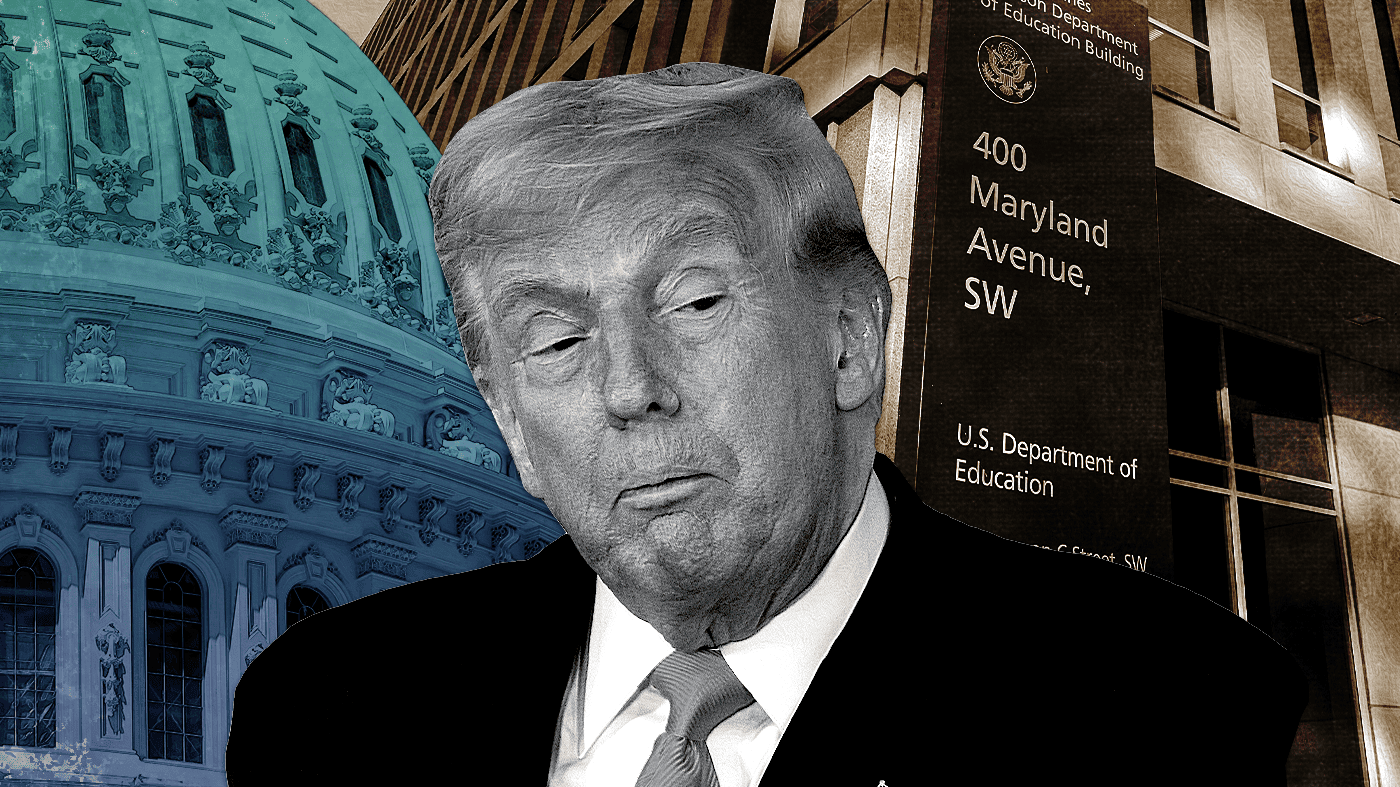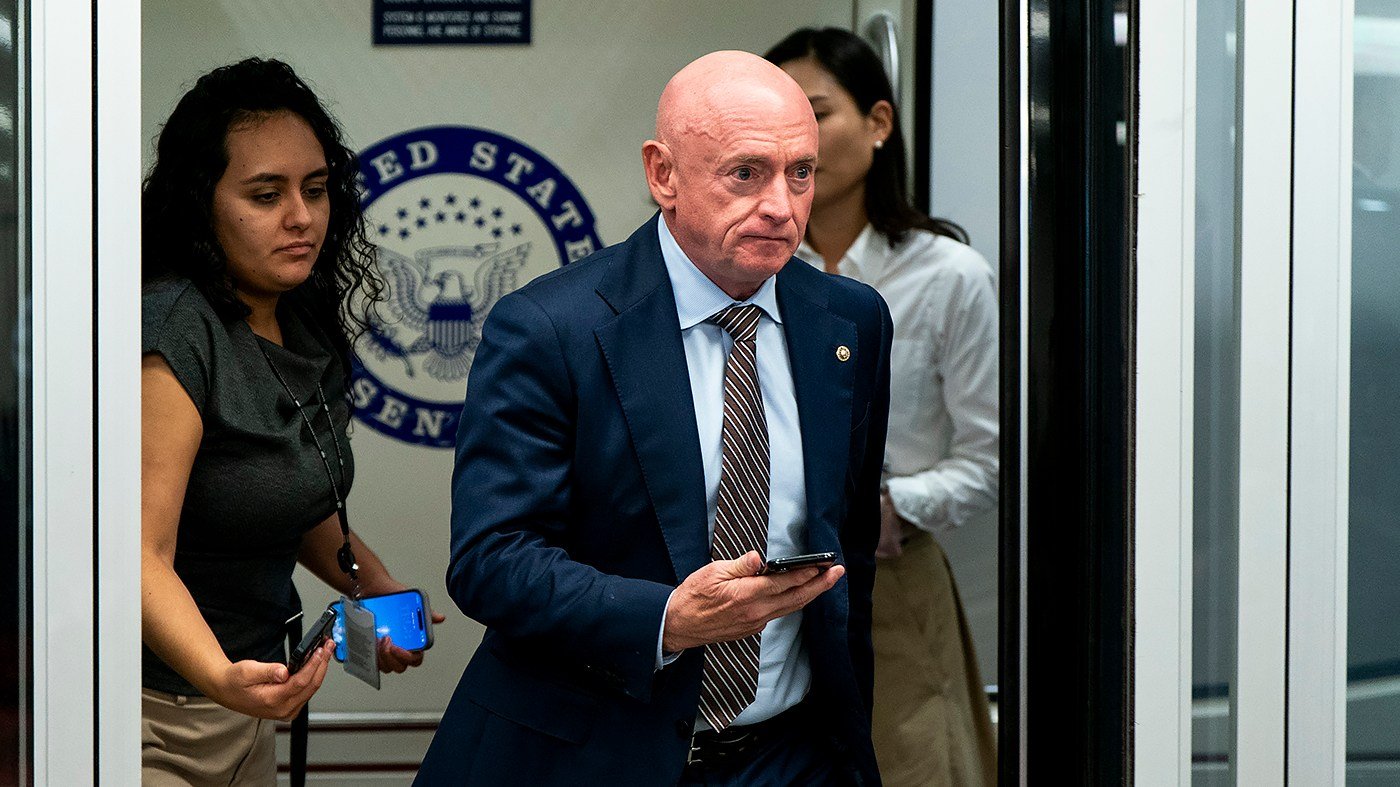
The battle over a municipal golf course in Washington has morphed into a high-stakes confrontation between the Trump administration and the federal judiciary, testing the limits of executive power and the courts' ability to check it.
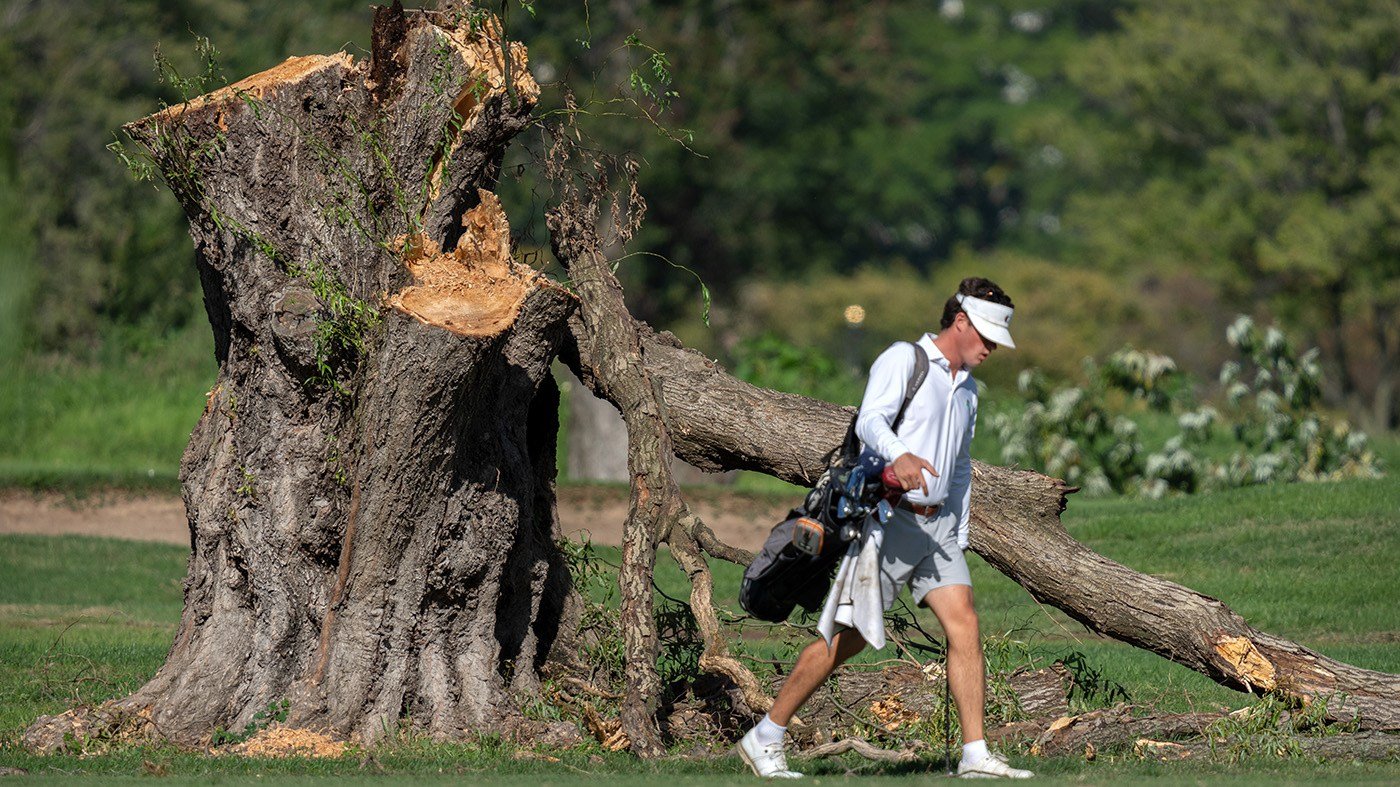
At the center is East Potomac Golf Links, a modest but popular course less than two miles from the White House. President Trump has proposed transforming it into a championship-caliber venue, a plan that has already led to the felling of hundreds of trees—an action that has drawn sharp rebuke from U.S. District Judge Ana C. Reyes.

Judge Reyes, a Biden appointee, has sought to halt major construction while litigation proceeds. But the administration has signaled it believes the court lacks jurisdiction over the matter. White House deputy chief of staff Stephen Miller asserted on social media that "a federal judge has no jurisdiction whatsoever over the maintenance of this course." Trump himself escalated tensions, calling Reyes "a crazed lunatic" and questioning her sanity in a post ahead of a Monday hearing.
The dispute has become a proxy for broader constitutional questions about presidential authority and judicial oversight. "At a time when our country is at war and everyone is worried about the economy and high prices, the President simply doesn't care," said Rep. Don Beyer (D-Va.). "He's focused on building an upscale golf course within walking distance of the White House. And on his fancy ballroom and his memorial arch to himself."
The conflict gained national attention after more than 500 trees were chopped down, with viral videos showing the destruction. Judge Reyes accused the administration of losing "all of its credibility with me in this case," and reports noted she raised her voice to near shouting during a hearing. The administration has since filed a motion seeking her recusal, arguing her "behavior in this case is nothing short of egregious." Reyes refused to step aside, dismissing the motion as an attempt to "weaponize selective quotations."
Legal experts see this as a defining moment for judicial independence. Harry Litman, a former U.S. Attorney, said Reyes is "representing the institutional power of the courts." He drew parallels to Judge James Boasberg, who has clashed with the administration over deportation flights. "She is very much trying to put space between the normal, professional staff of the DOJ and the political cadre that presumably takes orders from Donald Trump," Litman added.
The administration's legal filings argue that the golf course redesign does not constitute "agency action," comparing it to rearranging art exhibits at a museum. But critics note that Trump has posted plans on social media, including a start date of Nov. 15, with no indication he will await court approval.
During Monday's hearing, Judge Reyes asked whether other government lawyers would sign on to the recusal motion, a move seen as an attempt to isolate political appointees from career staff. No immediate ruling was issued.
As the standoff continues, the case underscores the growing friction between the executive and judicial branches. Trump remains undeterred, but the question is whether Reyes will force a halt regardless. The outcome could set a precedent for how courts handle challenges to presidential actions.