As the midterm elections draw closer, political bettors may be eyeing prediction markets, but in many states, wagering on election outcomes is still off-limits. The rapid growth of online betting platforms has made it possible to place bets on everything from the Super Bowl to the next White House press secretary—though suspicious activity around the latter is currently under investigation.
Political gambling has emerged as a popular niche, but it has also attracted regulatory scrutiny. Earlier this year, Kalshi, a leading prediction market, took the unusual step of banning former Representative George Santos after he placed wagers on the State of the Union address. The incident highlighted the potential for conflicts of interest when political insiders participate in these markets.

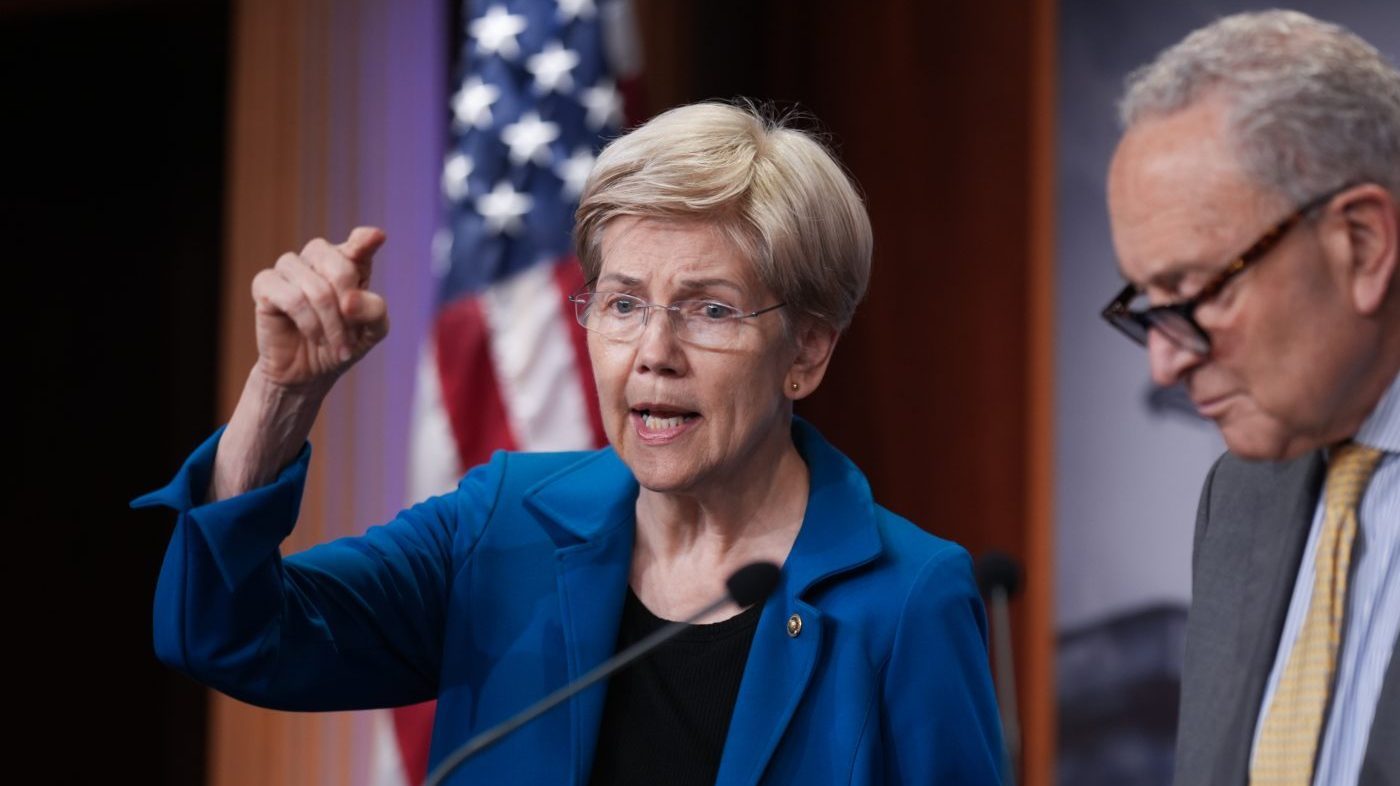
Lawmakers have been paying close attention. In March, a bipartisan group of senators introduced legislation designed to restrict the types of events that platforms like Kalshi and Polymarket can offer wagers on. The bill reflects growing concern that election betting could undermine public trust in the electoral process.
Currently, the legality of election betting varies by state. Some states have explicit prohibitions, while others have not yet addressed the issue. The federal legislation would create a uniform standard, likely barring most political wagering.
Proponents of the ban argue that allowing bets on elections could lead to manipulation or the appearance of impropriety. Critics, however, contend that prediction markets provide valuable information and should be allowed to operate freely.
The debate comes as President Trump's approval ratings have sunk to a new low, adding to the uncertainty surrounding the midterms. With control of Congress at stake, the outcome is likely to have significant policy implications.
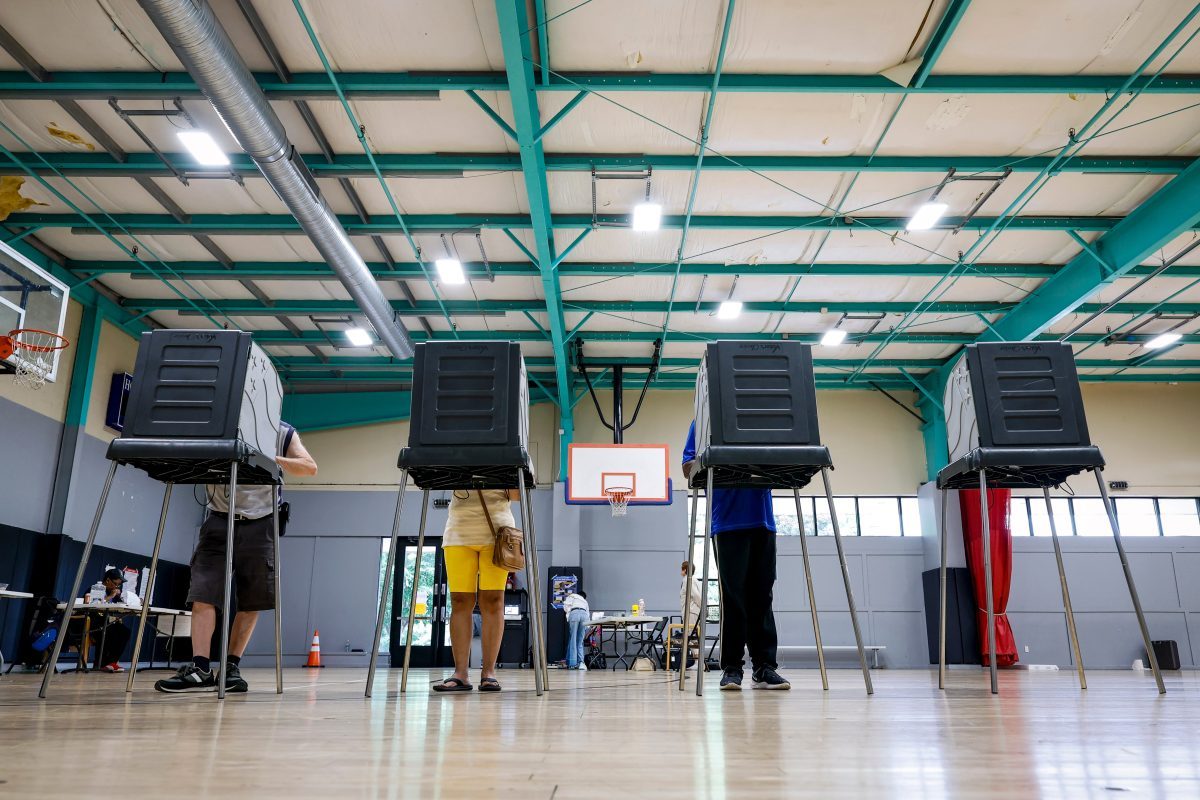
Inflation has also become a central issue, complicating the GOP's midterm strategy as voters head to the polls. The intersection of economic concerns and political betting highlights the broader stakes of the election.
For now, voters and bettors alike must navigate a patchwork of state regulations. The proposed federal legislation, if passed, would bring clarity but also limit the ability to wager on political events. As the midterms approach, the debate over election betting is likely to intensify.