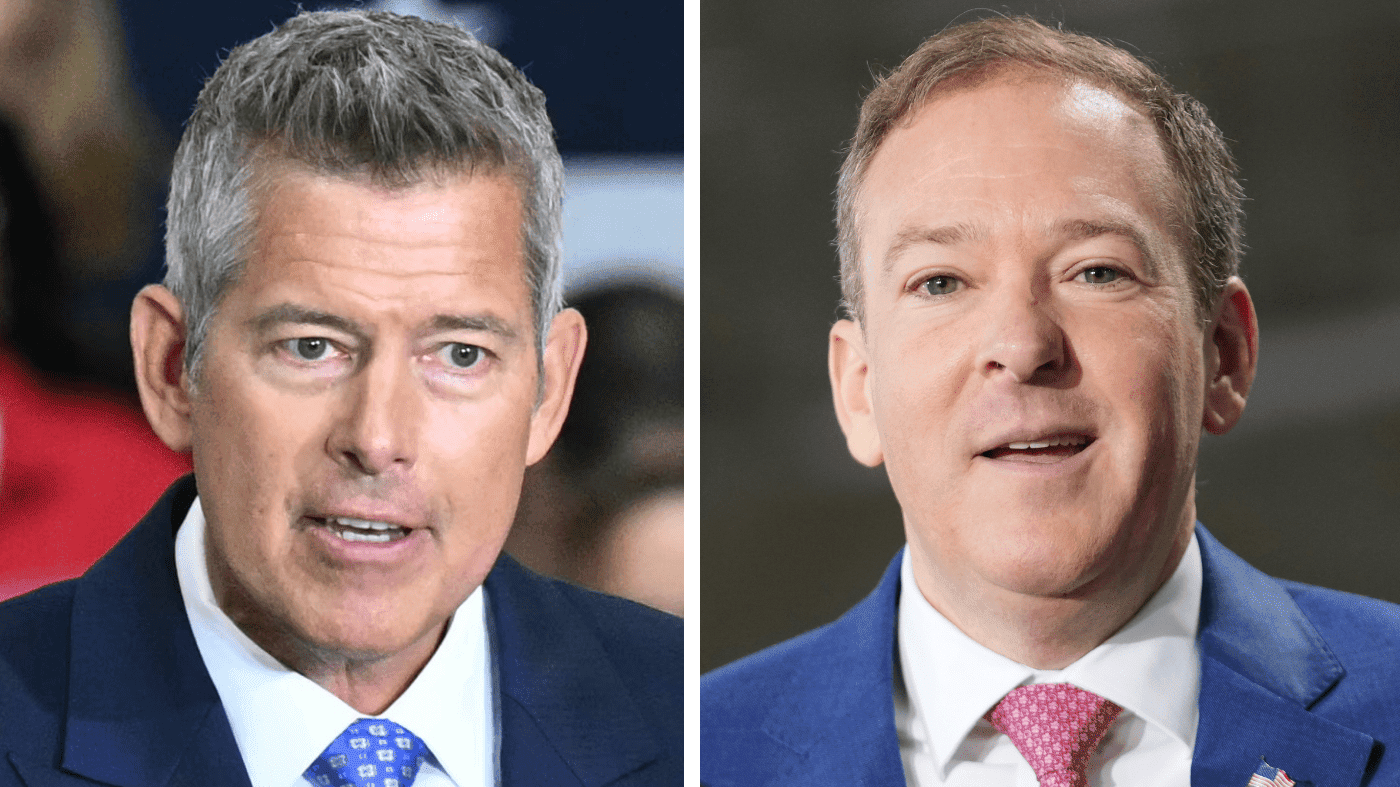
Transportation Secretary Sean Duffy on Monday publicly thanked Environmental Protection Agency Administrator Lee Zeldin for eliminating a fuel-saving car feature that Duffy called a personal annoyance, marking the latest step in the Trump administration's broader rollback of federal emissions regulations.
Speaking to a crowd in Detroit, Duffy singled out the automatic engine shut-off technology, commonly known as start-stop, which is designed to reduce greenhouse gas emissions by turning off the engine when a vehicle is stationary and restarting it when the driver accelerates.

“You know the on/off, the stop-start button on your car? I hate that thing,” Duffy said. “Thank you, Lee Zeldin. He's gotten rid of it, and the first cars without the start-stop button are rolling off the line.”
The EPA in February announced it would remove federal incentives that encouraged automakers to include start-stop systems in their vehicles. Those incentives, known as “off-cycle” credits, were introduced under the Obama administration in 2012 as a way to help automakers meet fuel economy and emissions targets while also cutting greenhouse gases.
According to Battery Council International, the technology reduced nearly 10 million tons of greenhouse gas emissions annually as of 2023. But Zeldin, in announcing the change, dismissed the environmental benefits and echoed a common driver complaint.
“Not only do many people find start-stop annoying, but it kills the battery of your car without any significant benefit to the environment,” Zeldin said. “The Trump EPA is proudly fixing this stupid feature at Trump speed.”
The elimination of start-stop credits is part of a wider effort by the Trump administration to reverse federal emission rules, which officials say will lower costs for manufacturers and consumers. Earlier this year, the EPA also rescinded a 2009 endangerment finding that had declared greenhouse gas emissions from vehicles a threat to public health. That finding had been used to require automakers to meet strict fuel efficiency standards, including an average of more than 50 miles per gallon across their fleets.
President Trump has celebrated these moves as major deregulatory victories. During White House remarks announcing the cancellation of the endangerment finding, he called it “the single largest deregulatory action in American history” and dismissed environmental concerns.
“Don't worry about it, because it has nothing to do with public health,” Trump said. “This was all a scam, a giant scam.”
The rollback has drawn sharp criticism from environmental advocates and federal workers. Justin Chen, president of the American Federation of Government Employees Council 238, which represents thousands of EPA staffers, called the repeal a “deep betrayal” of the agency's mission.
“This rollback is nothing short of disastrous for the health and safety of our communities, and it also slams the brakes on the future EPA workers are helping to build,” Chen said. “The clean energy and advanced vehicle industries are creating good-paying American jobs and positioning us to lead the world.”
He added, “Killing that progress now doesn't just hurt innovation — it hurts workers, families, and the next generation.”
The administration's aggressive stance on auto emissions aligns with other recent policy moves, including Zeldin's warning that data center restrictions could hand the AI crown to China. Meanwhile, Duffy's appearance in Detroit comes as he and Senator Markwayne Mullin prepare to unveil a crackdown on trucking fraud, signaling the administration's focus on transportation issues beyond emissions.