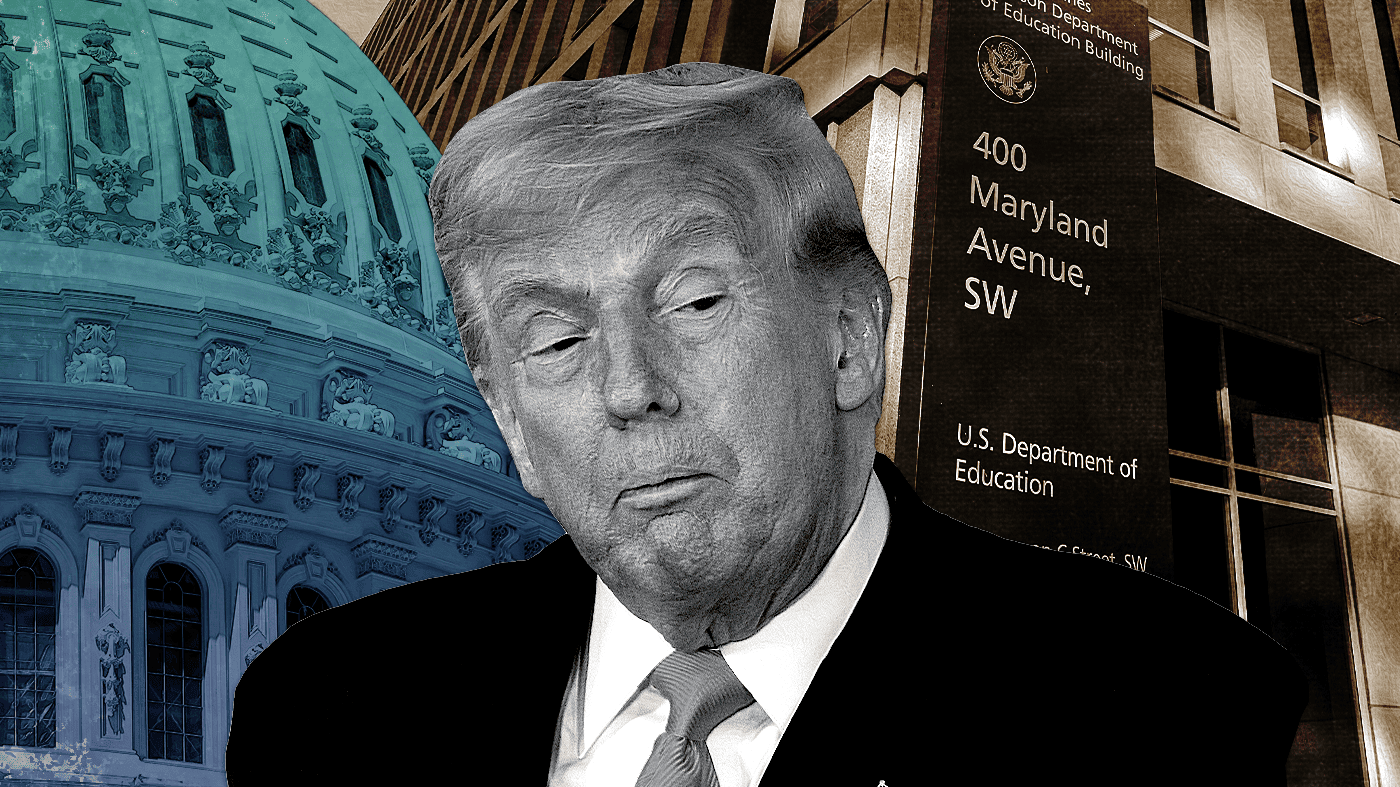
With control of Congress hanging in the balance, Democrats are mapping out a multi-pronged strategy to throw up roadblocks against the Trump administration's aggressive downsizing of the Education Department. If they secure majorities in either chamber next month, they intend to use oversight hearings, spending restrictions, and potential legal challenges to slow or reverse the agency's dismantling.
The administration has slashed thousands of jobs at the department, moved student loan portfolios to the Treasury, and signed over a dozen interagency agreements (IAAs) shifting programs like special education to Health and Human Services and civil rights enforcement to the Justice Department. These moves have drawn fierce Democratic criticism, but the minority has had little leverage to compel transparency or halt the changes.

Jon Valant, director of the Brown Center on Education Policy at the Brookings Institution, said Democrats would likely "throw sand in the gears" of the administration's efforts. He predicted aggressive oversight hearings and appropriations language designed to block the use of federal funds for IAAs that offload departmental responsibilities.
Senator Chris Van Hollen of Maryland vowed that Democrats would insert provisions into the 2027 spending bill to bar any funds from being used to shut down the Education Department. "If the voters want a majority in the House and the Senate to protect public education, and I think they do, then we will be able to move forward on that front," he said at a press conference.
A House Democratic aide told The Hill that oversight and accountability would be a top priority, noting that information about the dismantling has been "surface level." The aide outlined a first wave of aggressive information requests, followed by hearings and committee reports to document the impact of the cuts.
Legal and legislative avenues
In a Democratic-controlled House, lawmakers could also revive articles of impeachment against Education Secretary Linda McMahon, previously introduced by Rep. Suzanne Bonamici of Oregon. Rick Hess of the American Enterprise Institute noted that if Congress passes a resolution expressing opposition to the IAAs, it could end up in court, forcing judges to decide whether the administration's actions align with existing statutes.
But even a unified Democratic Congress would face hurdles reversing the changes. The department's press secretary, Savannah Newhouse, dismissed the Democratic efforts as defending a "broken bureaucracy" and blamed Democrats for ignoring student achievement declines. She argued that the administration's reforms are about "putting students first and parents back in the driver's seat."
The Education Department cannot be fully eliminated without congressional approval, a step opposed even by some Republicans. Public opinion also runs against abolition, with polls showing a majority of Americans oppose the idea. Randi Weingarten, president of the American Federation of Teachers, called the administration's actions "policy malpractice" and urged Congress to stop the dismantling and reinvest in public schools.
As the midterms approach, the political stakes are high. A Democratic victory could transform the oversight landscape, forcing the administration to defend its actions in public hearings and potentially halting the interagency transfers. The outcome will likely shape the future of federal education policy for years.